


目录导航
- 1. A Classic Culinary Question: How Do 和牛 and Imported Beef Differ?
- 2. Melting Point of Fat: The Science Behind 和牛’s Melt-in-Your-Mouth Texture
- 3. The Sweet Aroma of 和牛: The Magic of Heating Lactones
- 4. 令人惊艳的口感与油脂熔点差异: 和牛 Lean Round vs. Imported Sir牛里脊
- 5. 肉质胶原蛋白与肌纤维结构的差异: Why 和牛 Beef Tendon Makes the Best Stocks
- 6. Home Cooking Tips: Sous-Vide is Highly Recommended for Imported Lean Beef
- 7. 和牛 烧肉 for Recreation vs. Imported Beef as a Lean Protein for Athletes
- 8. Professional Selection: Why 黑5 Insists on Fresh A5 和牛 Without Aging
- 9. Comparison Chart: 3 Key Differences Between 和牛 and Aussie Beef
- 10. Conclusion: Taste Authentic A5 炭火-Seared 和牛 at 黑5 Tonight
Hello everyone, this is Sondo from 黑5.
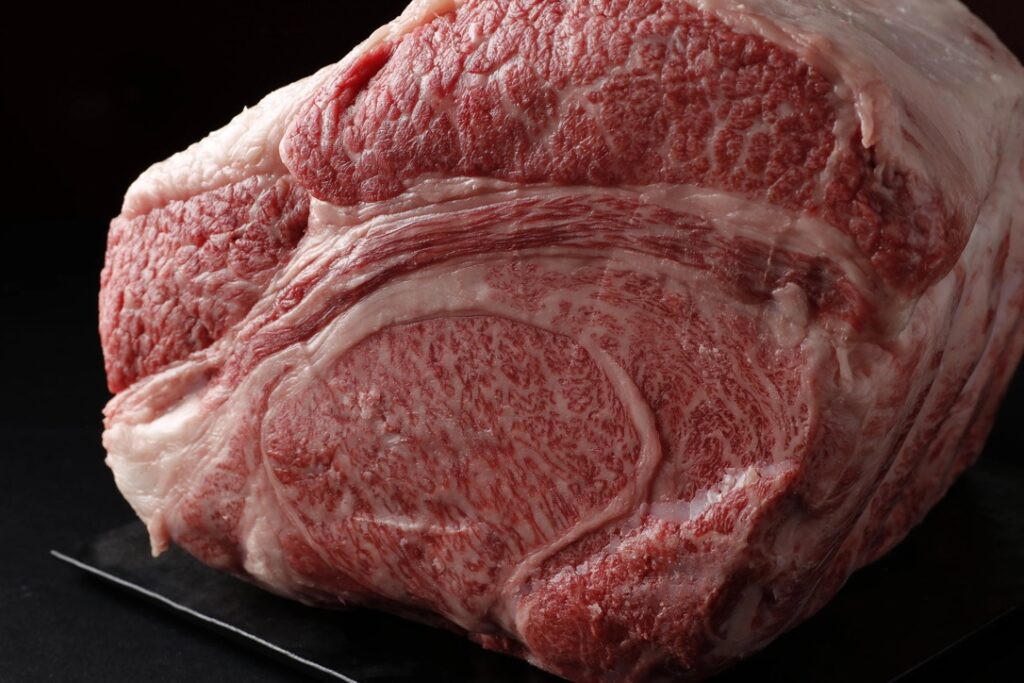
When looking at beef options at the market or on a restaurant menu, you may find yourself comparing domestic Japanese 和牛 with imported beef, such as Australian Aussie beef. Beyond the price difference, it is natural to wonder how they differ in flavor, tenderness, and culinary suitability.
While the general impression is that 和牛 is marbled and tender while imported beef is lean and healthy, there are clear scientific differences in meat texture, fat melting point, and flavor compounds. Furthermore, in terms of home cooking applications and nutritional value for athletes, each type of beef has its own strengths. Today, I would like to explain the differences between 和牛 and imported beef, from fat melting points to collagen quality in stocks, home cooking recommendations (低温慢煮烹饪), and their respective roles in our diet.
1. A Classic Culinary Question: How Do 和牛 and Imported Beef Differ?
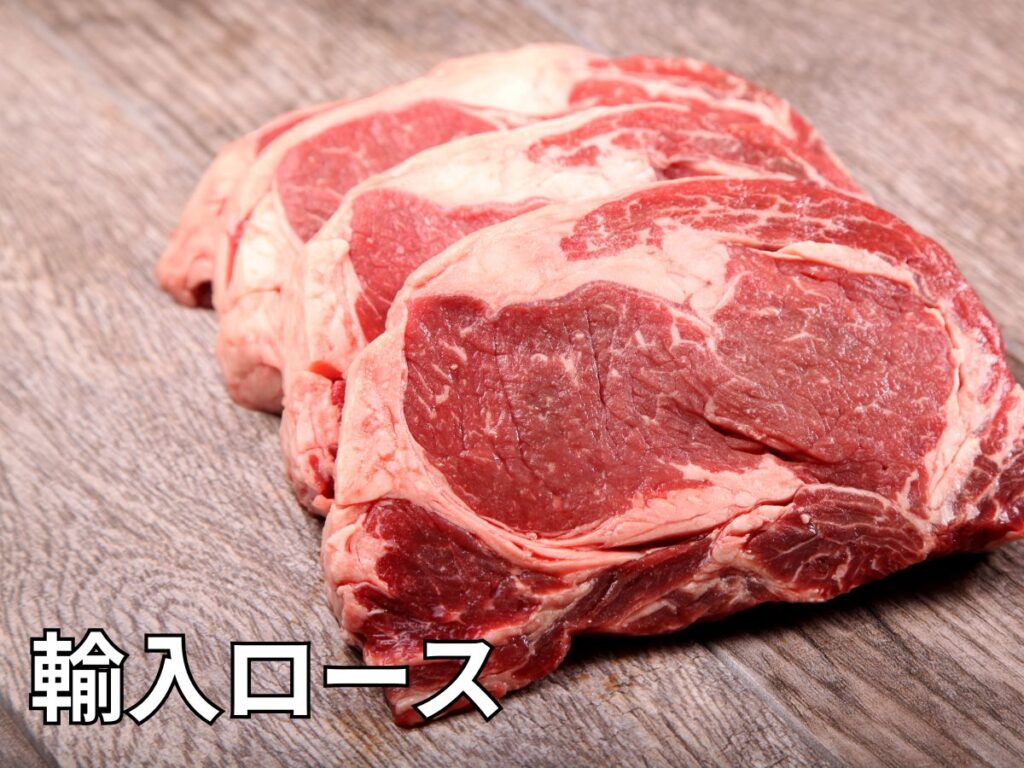
The primary differences between Japanese 和牛 and imported beef lie in breed genetics, raising environments, and the resulting marbling patterns.
Japanese Black 和牛 is raised under strict management to encourage fine marbling (sashi) within the muscle fibers. In contrast, cattle raised on open pastures in Australia (Aussie beef) get plenty of exercise, yielding lean, high-protein meat with minimal fat. This difference in genetics and raising methods changes the chemical properties of their fats and aromas.
2. Melting Point of Fat: The Science Behind 和牛’s Melt-in-Your-Mouth Texture
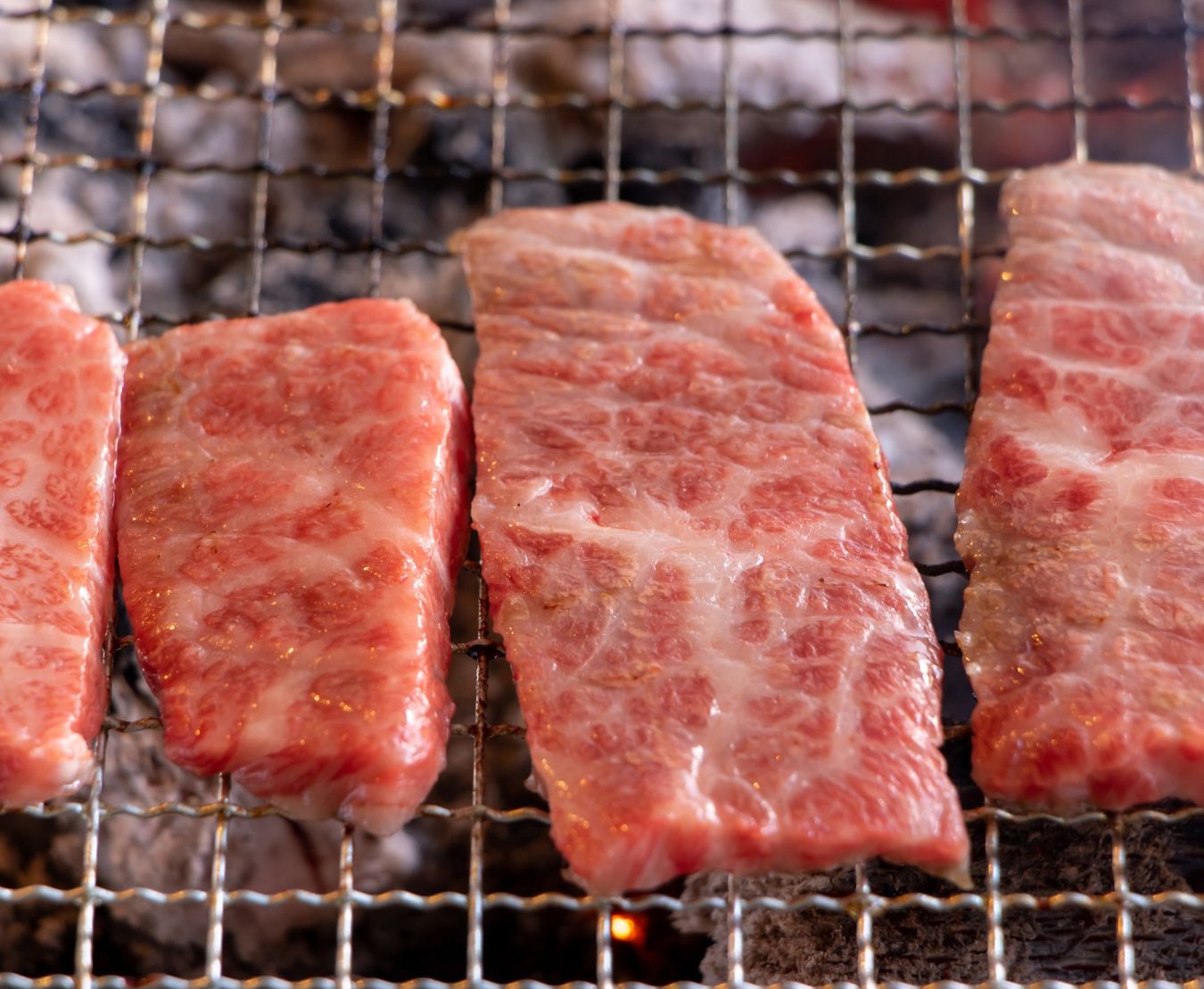
The smooth, melt-in-your-mouth tenderness of 和牛 is shaped by the chemical properties of its fats, specifically the melting point of the fat.
和牛 fat contains a high percentage of unsaturated fatty acids, such as oleic acid. Because these fatty acids remain liquid at room temperature, the melting point of 和牛 fat is exceptionally low, around 25°C to 30°C—well below human body temperature (36°C to 37°C). Consequently, the fat melts instantly upon contact with your 牛舌, releasing a sweet, rich 和牛 flavor.
In contrast, the fat of pasture-raised imported beef is rich in saturated fatty acids, with a higher melting point of around 40°C. Since this fat does not melt completely at body temperature, it yields a firmer, chewier texture. This difference in melting points shapes the mouthfeel of the beef.
3. The Sweet Aroma of 和牛: The Magic of Heating Lactones
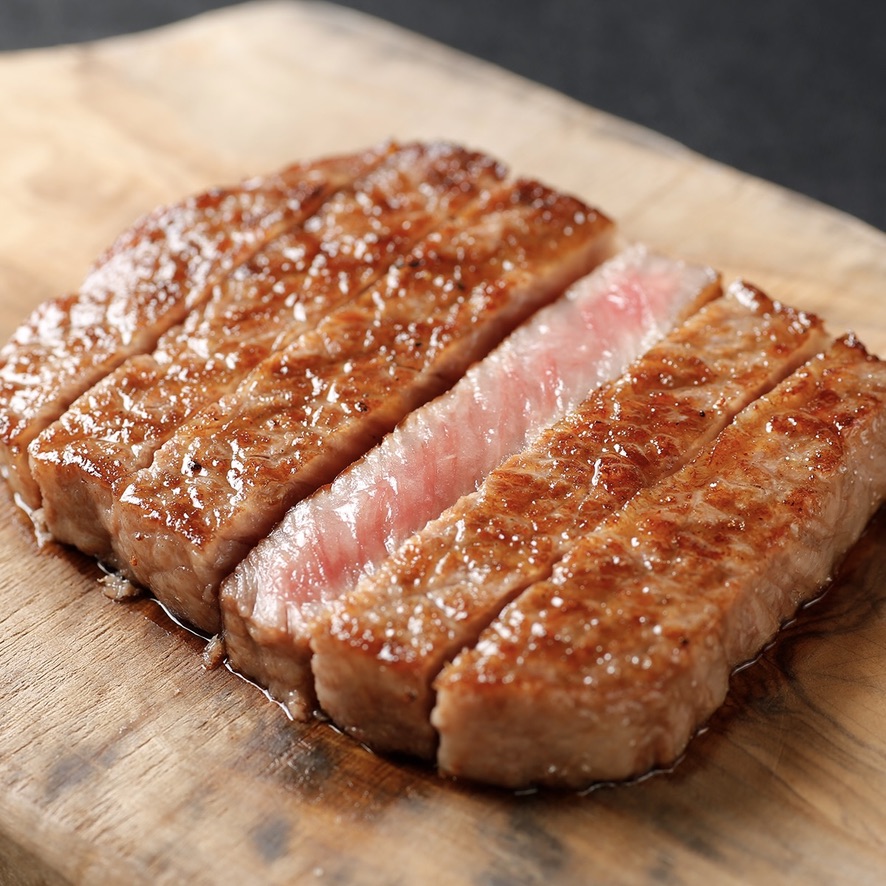
Another factor that defines the flavor of 和牛 is the rich aroma released when the meat is heated, known as 和牛 aroma (和牛香).
When 和牛 is seared, it releases sweet, fruit-like aromatic compounds (such as lactones). This aroma stimulates the appetite, enhancing the dining experience. Imported beef releases very little of these compounds when heated. The combination of sweet fat and this warm aroma defines the 和牛 experience.
4. 令人惊艳的口感与油脂熔点差异: 和牛 Lean Round vs. Imported Sir牛里脊
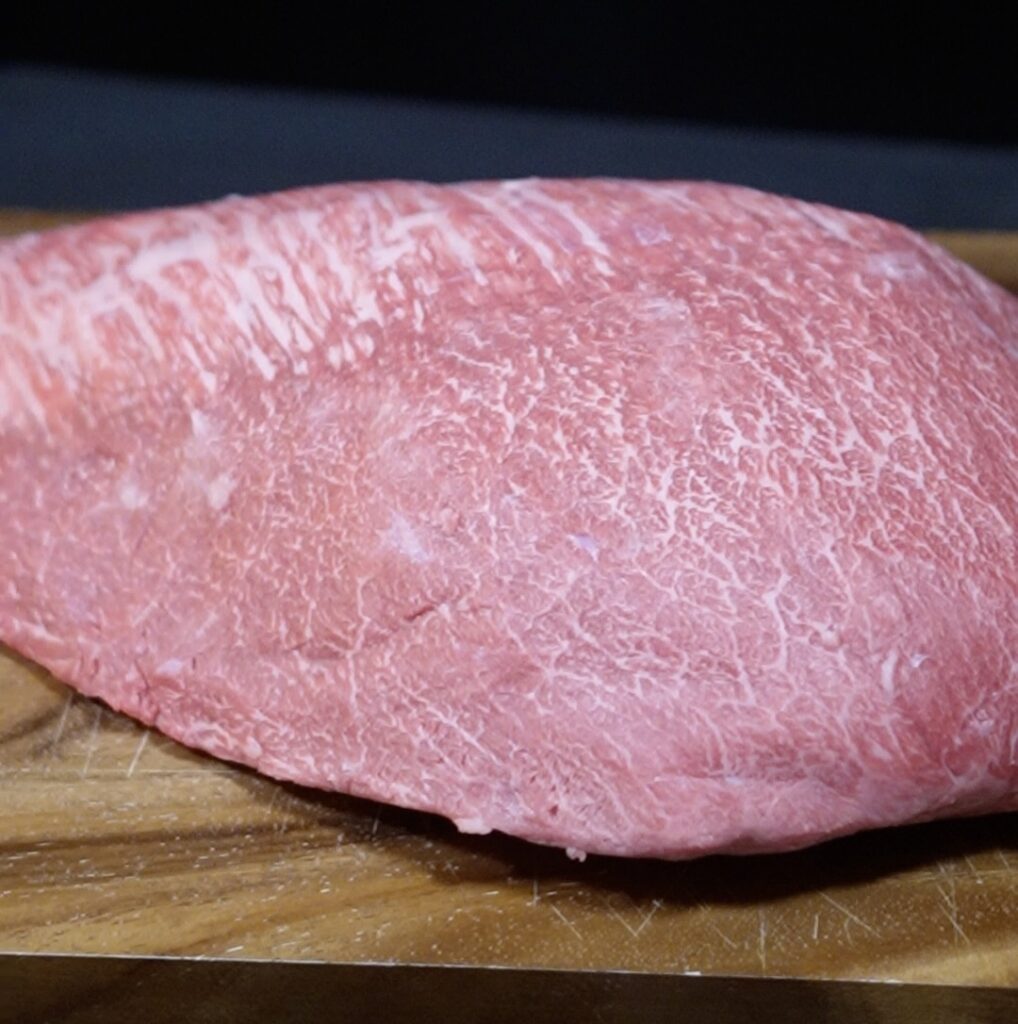
Let us look at a comparison regarding juiciness.
Athletes and health-conscious diners often select lean cuts for their lower fat content. However, when comparing 和牛 round (lean thigh meat) vs. Australian sir牛里脊 (a marbled cut), the 和牛 round is significantly juicier and contains more fine fat than the imported sir牛里脊. Even in its leanest muscles, 和牛 maintains micro-marbling within its fibers, allowing a lean cut to deliver rich juiciness that surpasses imported sir牛里脊.
5. 肉质胶原蛋白与肌纤维结构的差异: Why 和牛 Beef Tendon Makes the Best Stocks
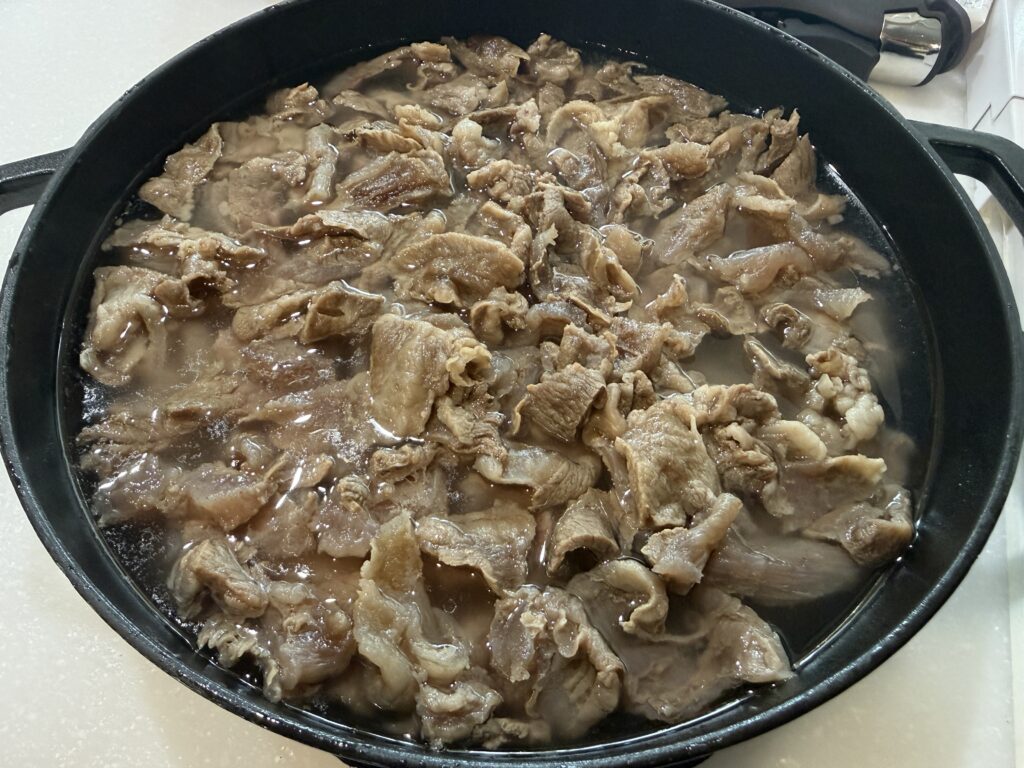
Beyond steaks and grilling, the choice of beef makes a difference when preparing stocks and stews. This is particularly clear when using beef tendon (牛すじ).
When preparing homemade soups, curries, or stews, 和牛 beef tendon offers superior collagen quality and depth of flavor.
和牛 tendon is packed with high-density collagen that converts into smooth gelatin during slow cooking. Simmering 和牛 tendon yields a rich, flavorful broth with a tender, melt-in-your-mouth texture. Imported beef tendon has different fiber structures, remaining tough even after hours of cooking, making it difficult to achieve the same rich body and broth thickness.
6. Home Cooking Tips: Sous-Vide is Highly Recommended for Imported Lean Beef
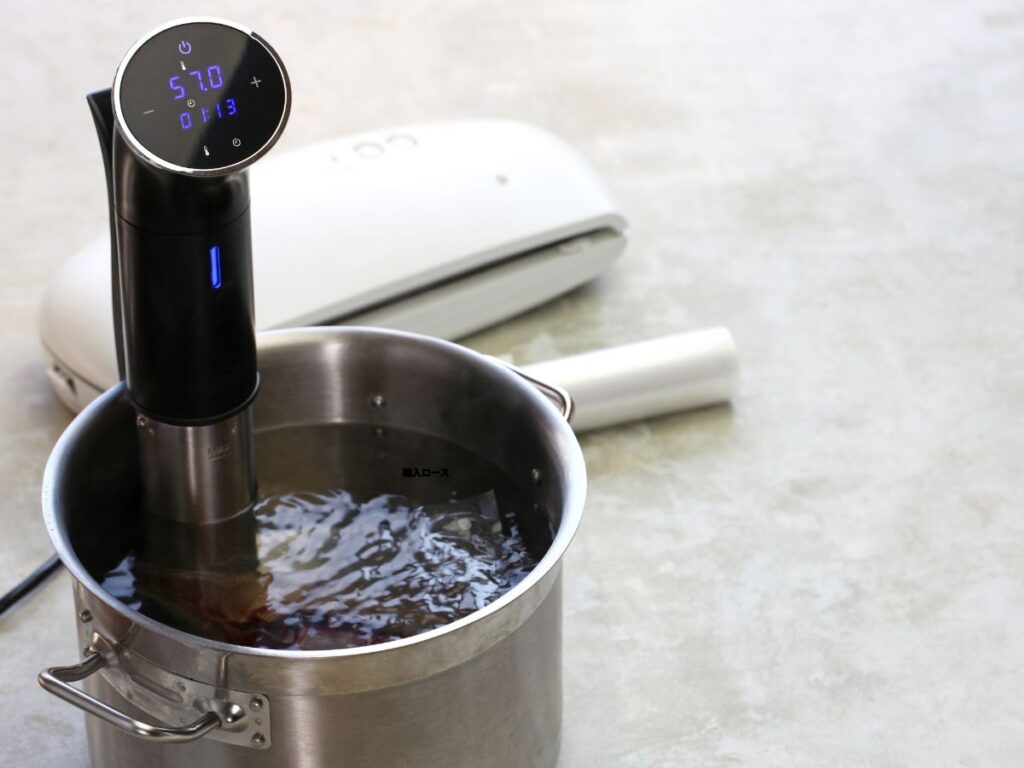
Imported beef is not inferior; rather, it requires the right cooking method to highlight its qualities.
When preparing imported lean cuts or firmer 和牛 red meat at home, I highly recommend low-temperature 低温慢煮烹饪.
Lean imported beef is rich in protein and loses moisture easily. Grilling it quickly over high heat can cause the muscle fibers to contract, squeezing out moisture and leaving the meat dry. Vacuum-sealing the beef and cooking it slowly at 55°C to 60°C softens the fibers without drying them out. Searing the surface quickly in a pan afterward yields a tender, restaurant-quality roast beef.
7. 和牛 烧肉 for Recreation vs. Imported Beef as a Lean Protein for Athletes
和牛 and imported beef serve different roles based on your dining goals.
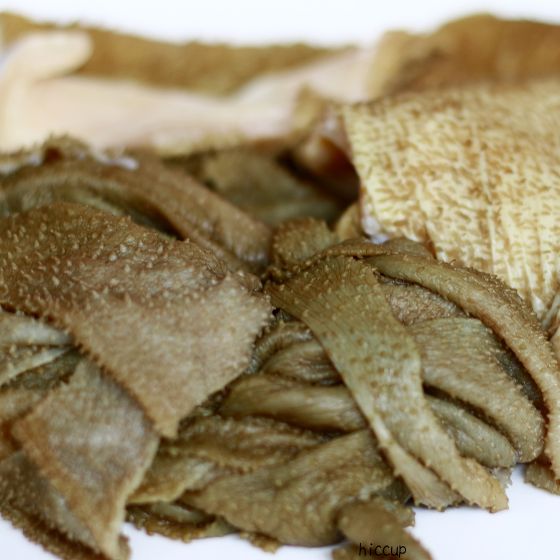
– 和牛 for Recreation:
When dining for pleasure, celebrating, or enjoying a premium 烧肉 experience, 和牛 is the ideal choice. Its sweet fats, warm aromas, and tender texture provide a satisfying culinary experience.
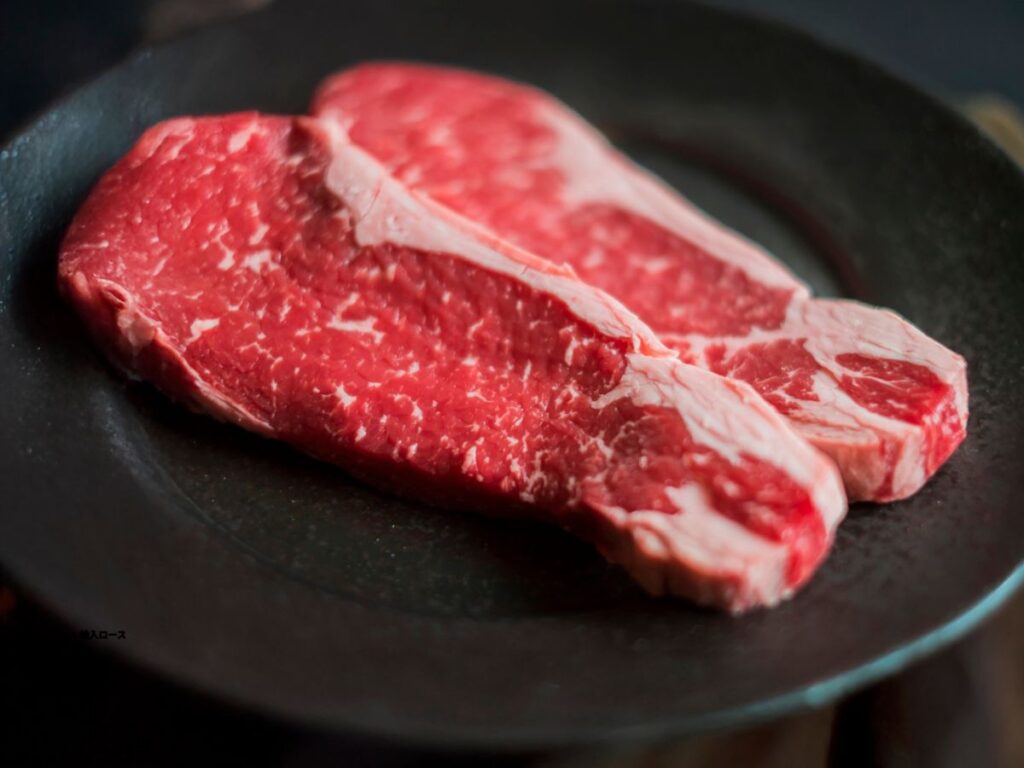
– Imported Beef as a Lean Protein for Athletes:
For athletes, fitness enthusiasts, and health-conscious diners, imported beef (such as Aussie beef) is an excellent daily protein source. While 和牛 is rich and flavorful, its high fat content makes it less suitable for daily athletic diets. Lean imported beef is low in fat and rich in protein, iron, and amino acids, supporting muscle recovery and health.
8. Professional Selection: Why 黑5 Insists on Fresh A5 和牛 Without Aging
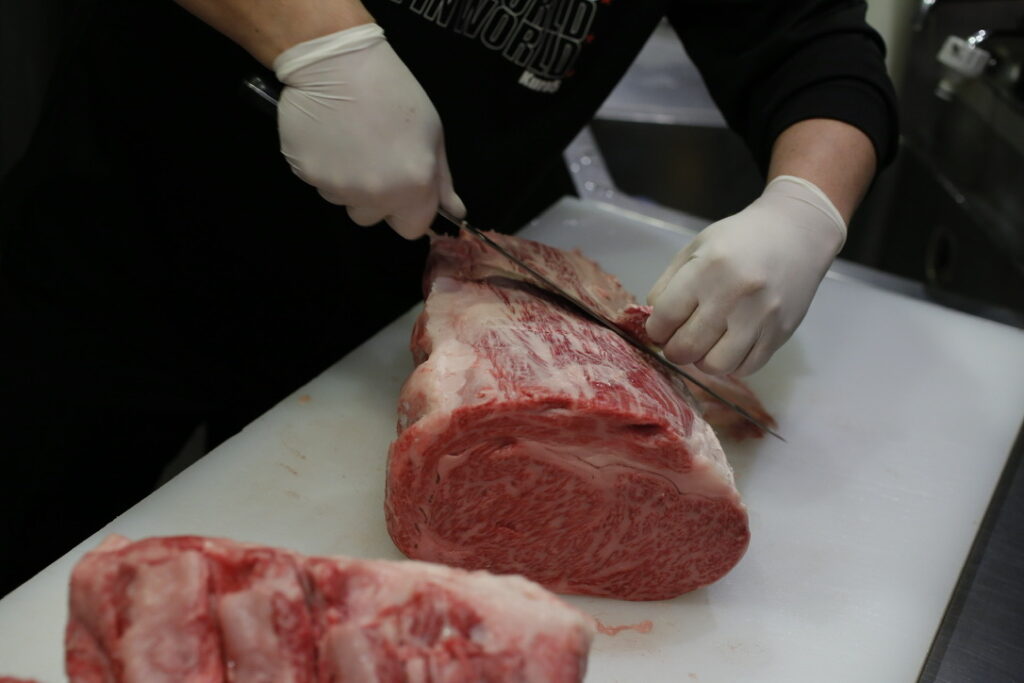
At 黑5, we focus on providing a premium dining experience by sourcing only the freshest domestic A5-rank Kuroge 和牛.
We do not use dry-aged beef. Sourcing fresh 和牛 ensures that the unsaturated fatty acids remain unoxidized, preserving their sweet flavor and clean aroma when seared over our coals.
We hand-slice each cut to match its fiber structure and grill it tableside using our tableside Full Attend service, maximizing the qualities of our fresh A5 和牛.
9. Comparison Chart: 3 Key Differences Between 和牛 and Aussie Beef
和牛 vs. Imported Beef Differences
1. Melting Point of Fat:
- 和牛: Fat melting point is around 25°C to 30°C. Melts at body temperature for a tender mouthfeel.
- Imported Beef: Fat melting point is around 40°C. Requires chewing to release flavors.
2. Stock and Home Cooking Applications:
- 和牛: Tendon is rich in dense collagen, making it ideal for flavorful stews and broths.
- Imported Beef: Lean meat is best cooked slowly via 低温慢煮 to preserve moisture and tenderness.
3. Dining Purpose (Recreation vs. Nutrition):
- 和牛: Premium marbling and aromas, perfect for recreational dining and special events.
- Imported Beef: High-protein, low-fat profile, serving as a daily nutrient source for athletes.
10. Conclusion: Taste Authentic A5 炭火-Seared 和牛 at 黑5 Tonight
The differences between 和牛 and imported beef are defined by fat chemistry, collagen quality, and nutritional profiles.
While lean imported beef cooked 低温慢煮 is excellent for daily health, 和牛 remains the choice for a special 烧肉 experience.
We invite you to visit 黑5 Honten, Higashiguchi, or 歌舞伎町店 tonight. Enjoy our fresh A5 和牛 grilled by our staff over our signature 纪州备长炭 coals, and experience our hospitality.
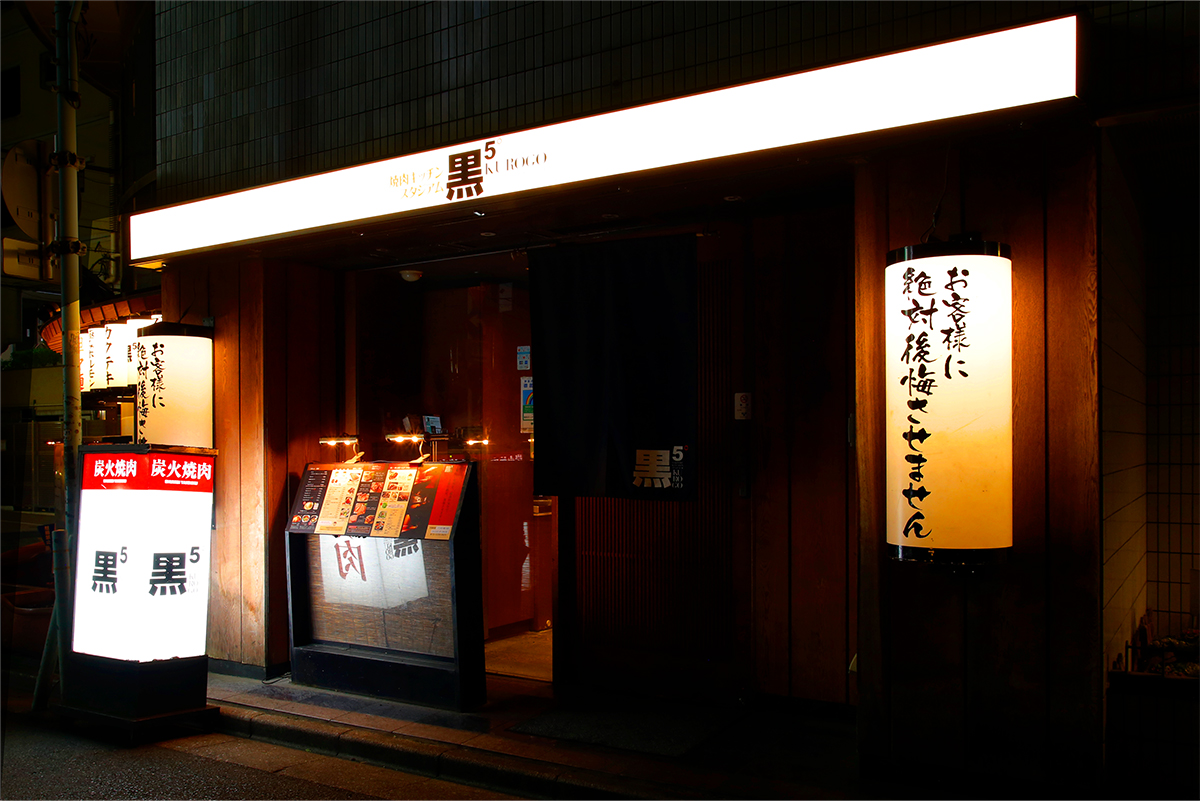
- 炭火 烧肉 黑5 Honten
1F Nishi-池袋 Bldg, 2-46-3 Nishi-池袋, Toshima-ku, Tokyo / 5 min walk from JR 池袋 Station - 炭火 烧肉 黑5 Higashiguchi
1F Tsukiji Bldg, 1-42-16 Higashi-池袋, Toshima-ku, Tokyo / 3 min walk from JR 池袋 Station East Exit - 炭火 烧肉 黑5 歌舞伎町店
1F Sankyo Akagawa Bldg, 2-21-4 歌舞伎町店, Shinjuku-ku, Tokyo

