



目录导航
- 1. Barbecuing Under the Open Sky: The Truth About 炭火 vs. Gas
- 2. The Reality of 炭火: Firestarting Labor and Clean-up Chores
- 3. Gas Convenience and the Outdoor Blind Spot: The Frustration of Windy Fire
- 4. Why 炭火 Thrives in the Wind: Physics of Oxygen-Fueled Combustion
- 5. Far-Infrared Outdoors: Secret of Tender, Juicy Heat Transfer
- 6. Smoke as Seasoning: The Natural Magic of Dripping Fat Vaporizing on Coals
- 7. Worth the Effort: Why 炭火 Remains the Absolute Best BBQ Experience
- 8. Pro BBQ Firestarting Tip: Easy Ignition via the Chimney Effect
- 9. Comparison Chart: 炭火 vs. Gas BBQ Properties
- 10. Conclusion: After Your BBQ, Enjoy Pro tableside 炭火 Grilling at 黑5
Hello everyone, this is Sondo from 黑5.
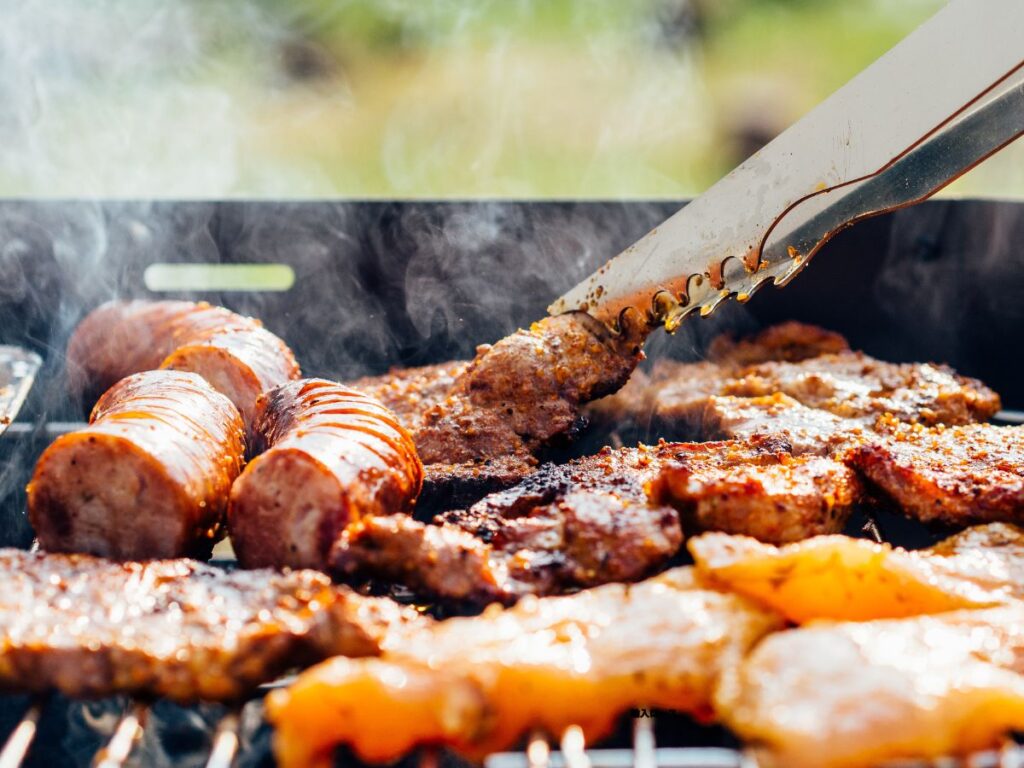
When the weather is clear, gathering family and friends for an outdoor barbecue (BBQ) is a wonderful event. Grilling beef under the open sky offers a satisfying dining experience that is different from eating indoors. However, when planning a BBQ, the first decision is choosing the heat source: Should you go with classic 炭火, or use a convenient 瓦斯烤炉?
With many portable 瓦斯烤炉s on the market, it is easy to assume that gas is sufficient. However, despite the preparation involved, there are clear physical reasons why 炭火 remains the ultimate choice for outdoor barbecues. Today, I would like to explore the differences between 炭火 and gas, including preparation, clean-up, the impact of outdoor wind, and how each affects flavor.
1. Barbecuing Under the Open Sky: The Truth About 炭火 vs. Gas
Choosing your heat source shapes the entire BBQ experience and the flavor of your grilled cuts.
If convenience is your main goal, gas is the obvious choice. However, when you want to grill delicious beef outdoors, gas encounters physical limitations. Let us look at the realities of both methods.
2. The Reality of 炭火: Firestarting Labor and Clean-up Chores
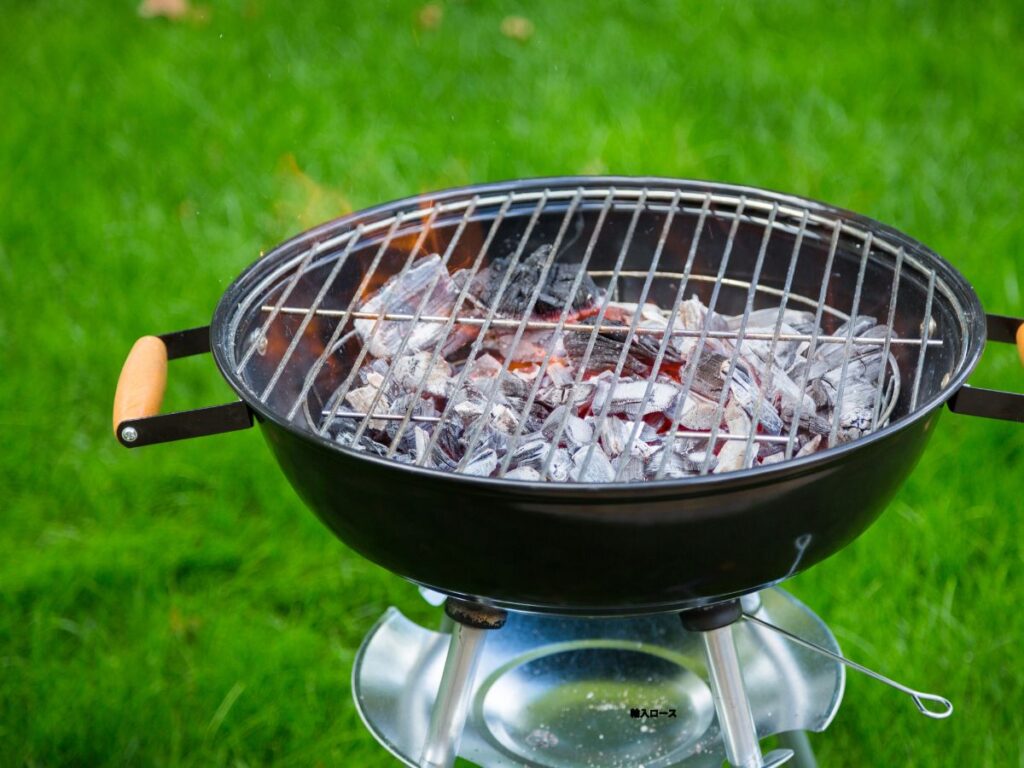
Grilling with 炭火 involves some initial effort during set-up and clean-up.
– Firestarting (Ignition) Effort:
Unlike a 瓦斯烤炉, 炭火 does not start with the turn of a dial. You must set firestarters, stack the coals, and fan the embers, waiting 30 to 45 minutes for the coals to ash over. For beginners, getting the heat to stabilize can be challenging.
– Clean-up (Extinguishing and Ash Disposal):
After your meal, hot coals take time to cool down. You must extinguish them safely in a water bucket or a sealed metal container. Scrubbing soot and ash from the grill grate is also a chore at the end of the day.
3. Gas Convenience and the Outdoor Blind Spot: The Frustration of Windy Fire
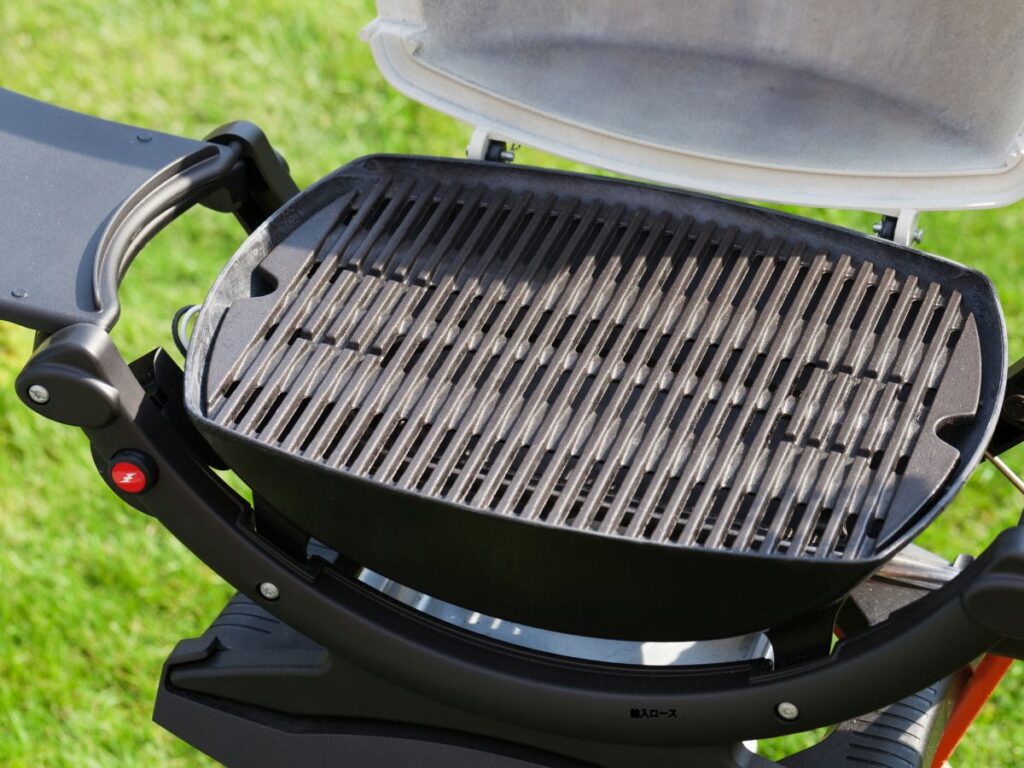
On the other hand, 瓦斯烤炉s are very convenient. Ignition is instant, heat control is simple, and clean-up involves wiping down the grates and removing the gas canister.
However, 瓦斯烤炉s have a drawback when used outdoors: wind makes the flame unstable, which slows down cooking.
A gas flame is a flow of burning gas (convection heat). This flame is light and easily diverted or extinguished by wind. Even with a wind shield, cool outdoor air flowing over the grates lowers heat efficiency. You may find yourself waiting for meat to sear even with the dial turned to maximum, which can slow down the meal.
4. Why 炭火 Thrives in the Wind: Physics of Oxygen-Fueled Combustion
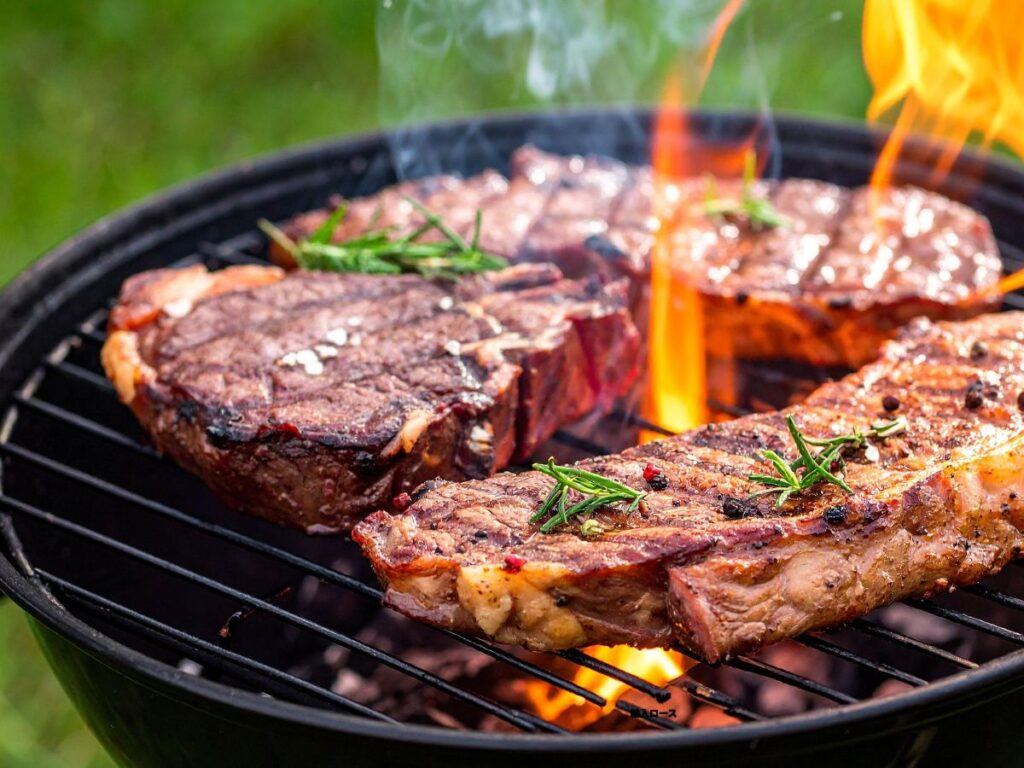
While wind cools down gas flames, 炭火 thrives in outdoor wind. Because 炭火 is a solid fuel, wind supplies oxygen that increases its heat rather than blowing the fire out.
炭火 is solid carbon burning at a high temperature (glowing combustion). It does not blow sideways like gas. Wind acting on the grill grates behaves like a fan, supplying oxygen to raise the coal temperature.
Additionally, 炭火 heats meat primarily through far-infrared radiation. This radiation transfers energy directly to the meat without heating the air, ensuring stable heat even in cool wind. This makes 炭火 highly reliable in outdoor environments.
5. Far-Infrared Outdoors: Secret of Tender, Juicy Heat Transfer
In terms of flavor, 炭火 produces better results than gas.
As mentioned, gas combustion releases water vapor, which creates a steam-cooking effect on the meat. When cool wind keeps the surface damp, it is difficult to develop a caramelized crust. Cooking too slowly drains internal moisture and umami amino acids, leaving the meat dry.
炭火’s dry heat evaporates surface moisture instantly, forming a seared barrier that locks in juices. Far-infrared radiation heats the interior and exterior simultaneously, preserving tenderness and moisture. This difference in juiciness is easy to notice when dining outdoors.
6. Smoke as Seasoning: The Natural Magic of Dripping Fat Vaporizing on Coals
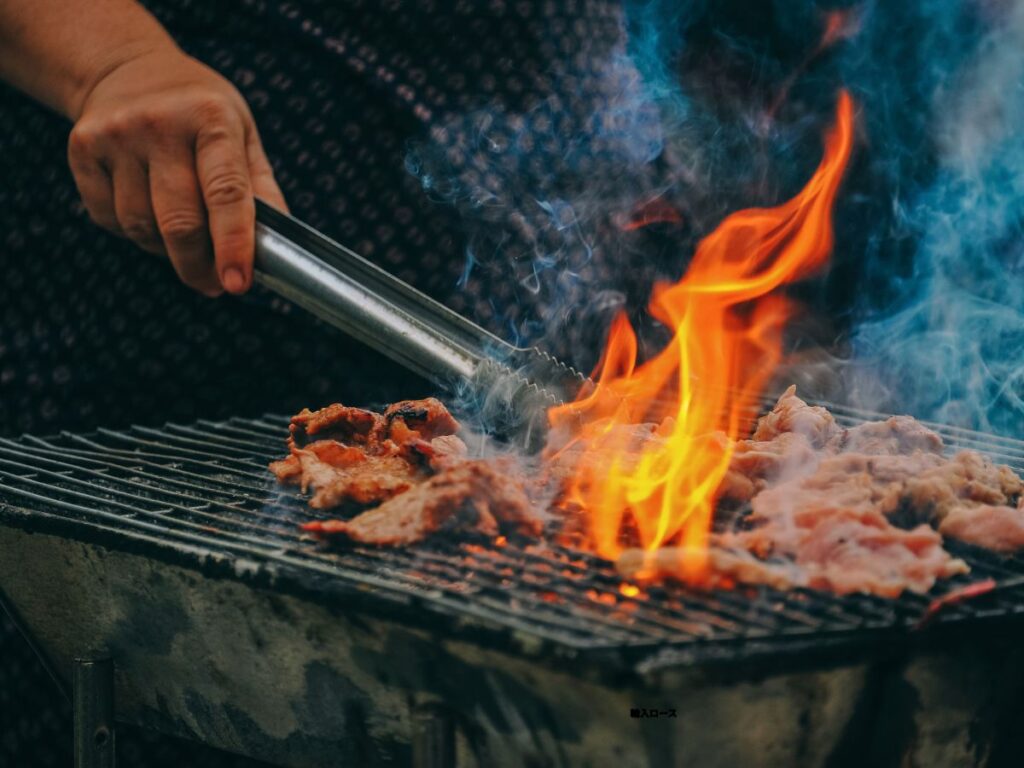
The smoky aroma of 炭火 grilling adds a classic flavor to outdoor dining.
When beef is grilled over 炭火, melting fat drips onto the hot coals, vaporizing into a savory smoke that coats the meat. This smoke, combined with caramelized sugars and proteins (Maillard reaction), yields a rich flavor that 瓦斯烤炉s cannot replicate.
7. Worth the Effort: Why 炭火 Remains the Absolute Best BBQ Experience
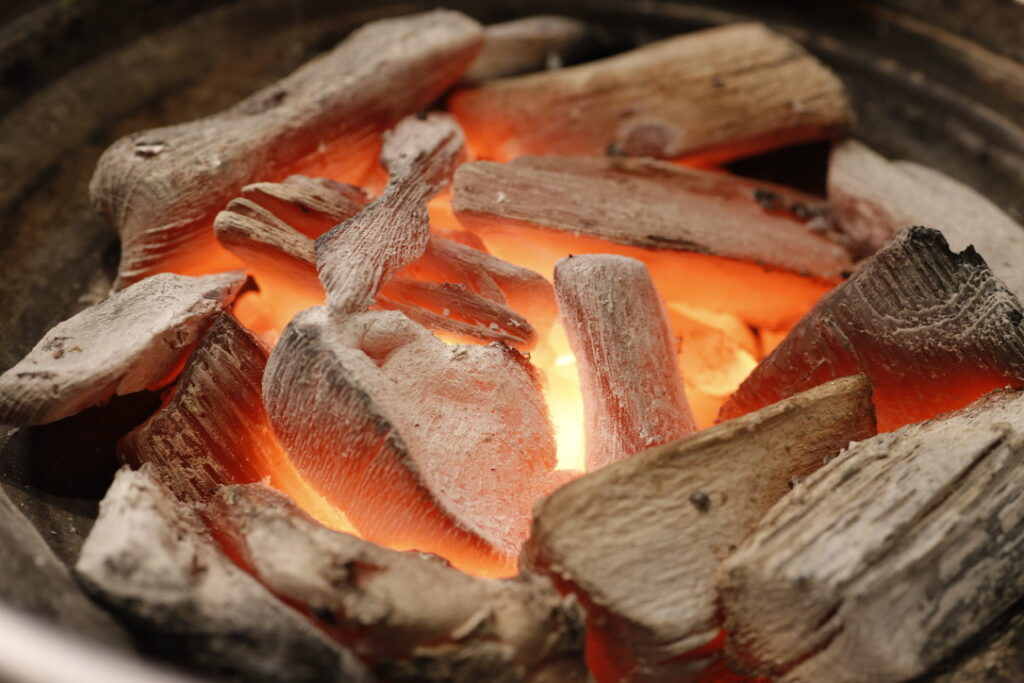
Starting the fire and cleaning the soot are indeed chores. However, these efforts yield excellent results: stable heat that resists the wind, dripping fat seared into savory smoke, and juicy grilled beef.
Rather than waiting for a 瓦斯烤炉 in the wind, managing the coals together is part of the outdoor experience. This shared effort is what makes 炭火 barbecuing satisfying.
8. Pro BBQ Firestarting Tip: Easy Ignition via the Chimney Effect
Here is a simple way to start your coals without constant fanning, using the “chimney effect.”
Place crumpled newspaper or firestarters at the bottom of the grill. Stack your 炭火 vertically around the starter, creating a hollow chimney-like structure. When you light the starter, the rising hot air draws fresh oxygen from the bottom, creating a natural draft that lights the coals in 15 to 20 minutes without fanning.
9. Comparison Chart: 炭火 vs. Gas BBQ Properties
炭火 vs. Gas BBQ Comparison
1. Preparation and Clean-up:
- 瓦斯烤炉s: Simple ignition and heat control, wipe-down cleaning.
- 炭火 Grills: Requires 30+ minutes of firestarting and careful ash disposal.
2. Outdoor Wind Impact:
- 瓦斯烤炉s: Wind blows flames sideways, reducing heat efficiency.
- 炭火 Grills: Wind supplies oxygen to raise coal temperature, heating meat via wind-resistant radiation.
3. Grilling Quality and Aroma:
- 瓦斯烤炉s: Combustive water vapor steams the meat, draining juices during slow sears.
- 炭火 Grills: Zero-moisture heat and radiation seal in juices, while vaporized fat coats the meat in smoky aromas.
10. Conclusion: After Your BBQ, Enjoy Pro tableside 炭火 Grilling at 黑5
The differences in outdoor grilling flavor are shaped by wind resistance, moisture levels, and radiation heat.
While 炭火 requires effort, the resulting flavors and cooking stability make it the ideal choice for barbecues.
If you enjoy 炭火 grilling but want to dine without the prep and clean-up, we invite you to visit 黑5 Honten, Higashiguchi, or 歌舞伎町店. Our staff will heat our signature 纪州备长炭 coals and grill premium A5 和牛 for you, allowing you to relax and enjoy the meal.
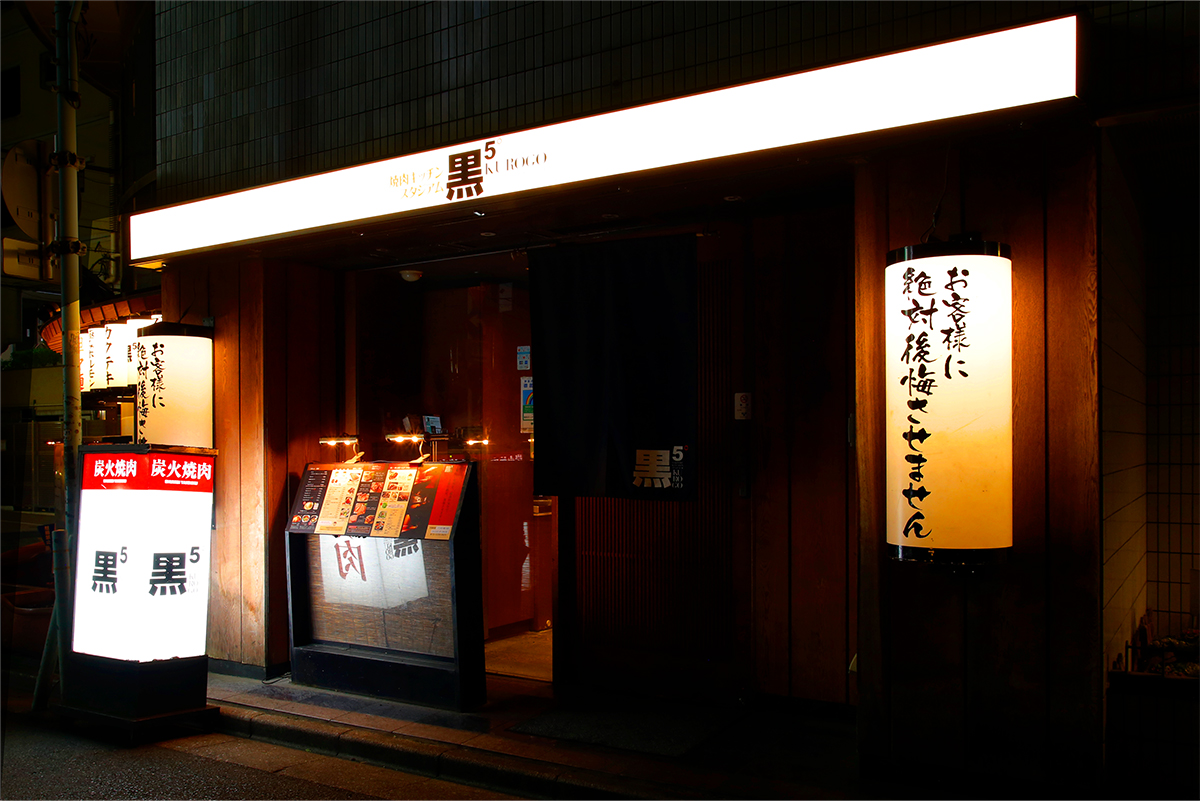
- 炭火 烧肉 黑5 Honten
1F Nishi-池袋 Bldg, 2-46-3 Nishi-池袋, Toshima-ku, Tokyo / 5 min walk from JR 池袋 Station - 炭火 烧肉 黑5 Higashiguchi
1F Tsukiji Bldg, 1-42-16 Higashi-池袋, Toshima-ku, Tokyo / 3 min walk from JR 池袋 Station East Exit - 炭火 烧肉 黑5 歌舞伎町店
1F Sankyo Akagawa Bldg, 2-21-4 歌舞伎町店, Shinjuku-ku, Tokyo

