
Okay, let’s start with draft beers… and what about the meat?
This is the conversation everyone has the moment they sit down at a 烧肉 table. Looking at the menu, some say, It has to be the classic 牛五花! while others insist, No, no, lately I prefer the refreshing taste of 牛里脊 (Roast).

This 牛五花 Faction vs. 牛里脊 Faction debate might be the eternal theme of 烧肉. But did you know? The names 牛五花 and 牛里脊 (often called Roosu in Japan) on 烧肉 menus are actually slightly different from the official zoological names of the parts. They are more like common terms unique to the industry.
This time, we will uncover the true identity of these two parts, including their historical background. Reading this will surely make your 烧肉 selection smarter and more delicious.
What are 牛五花 and 牛里脊 in the first place?
牛五花 = Meat around the Ribs

Let’s start with 牛五花.
The word 牛五花 means ribs in Korean. In other words, 牛五花 at a 烧肉 restaurant generally refers to the Belly meat around the cow’s stomach.
Its characteristic is, above all, that punchy flavor of fat. Layers of muscle and fat melt when heated, spreading a rich sweetness throughout your mouth. It goes perfectly with sauce (tare) and is the King of 烧肉, often nicknamed the Rice Thief (as I personally like to call it).
牛里脊 (Roosu) = Back… Not Necessarily? The Mysterious Rule of the 烧肉 Industry

Things get a little complicated with 牛里脊 (Roosu).
Originally, the etymology comes from meat suitable for Roast (Roasting), referring to the meat on the back side from the shoulder to the waist (Chuck Roll, 眼肉, Sir牛里脊).
However, when you enter a 烧肉 restaurant in Japan, the situation changes a bit. The meat served when you order 牛里脊 is often not back meat, but lean Red Meat with less fat.
There is a historical background unique to the 烧肉 industry for this.
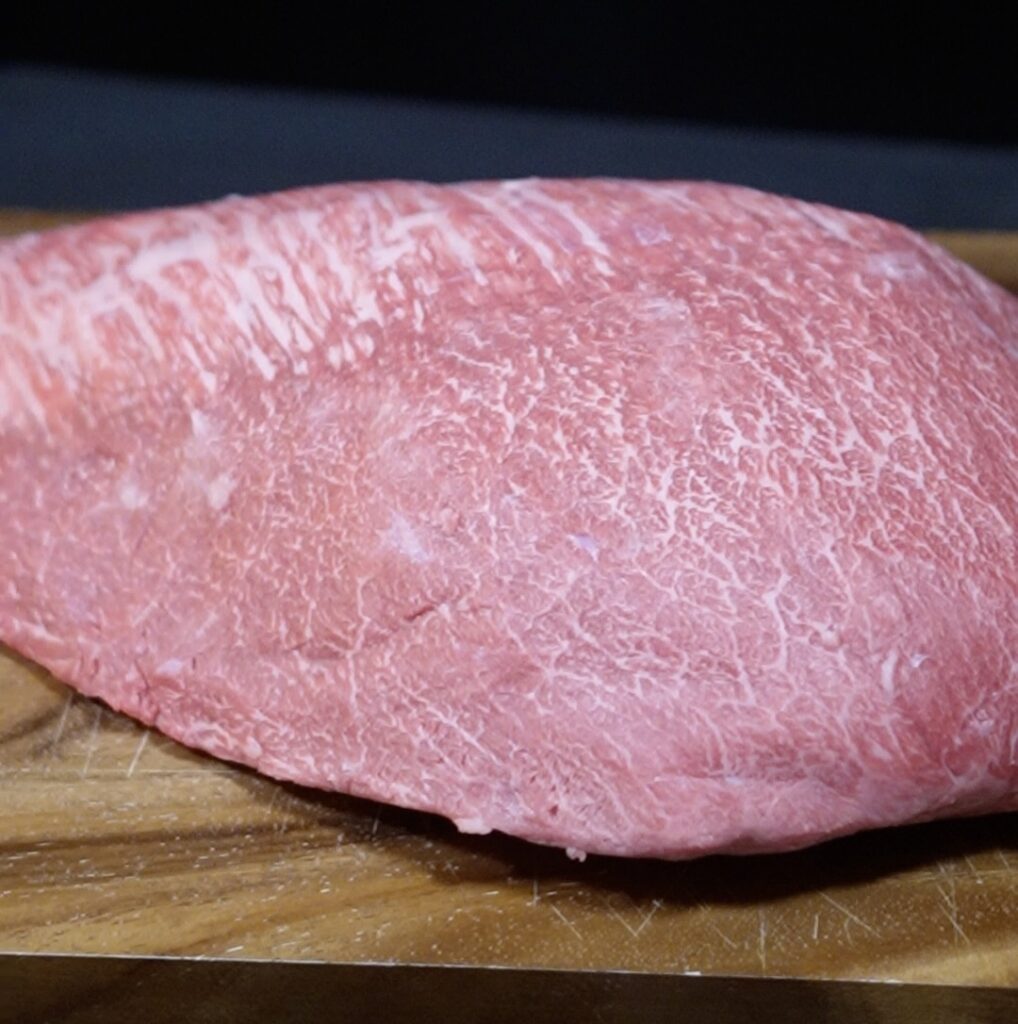
In the past, many 烧肉 restaurants in Japan served imported 牛里脊 meat that didn’t have much fat. From that remnant, the image of 牛里脊 = Lean red meat with less fat took root, and that naming convention became customary in both high-end and general restaurants.
Inheriting that trend, many shops today still collectively call lean parts like the Shoulder (Ude) or Thigh (Momo) 牛里脊, regardless of whether it is 和牛 or imported beef.
In other words, 牛里脊 in a 烧肉 restaurant can be said to be a word that refers to the role of refreshing red meat rather than a strict definition of the location.
Are 牛五花 is greasy and 牛里脊 is dry misconceptions?
Why do you feel 牛五花 is heavy lately?

When you pass your 30s, you often hear voices saying, 牛五花 is too heavy for me now…
This isn’t just because of age. In fact, one factor is that 和牛 beef has been improved in recent years, and the belly meat (牛五花) contains too much marbling (Sashi).
Fat is the source of umami (savory flavor), but if it’s not high-quality fat with a low melting point, it solidifies in the stomach and burdens digestion. Also, some shops serve parts that are mostly fat as 牛五花, which has led to the negative impression that 牛五花 = Greasy.
The Evolving Modern 牛里脊 Situation
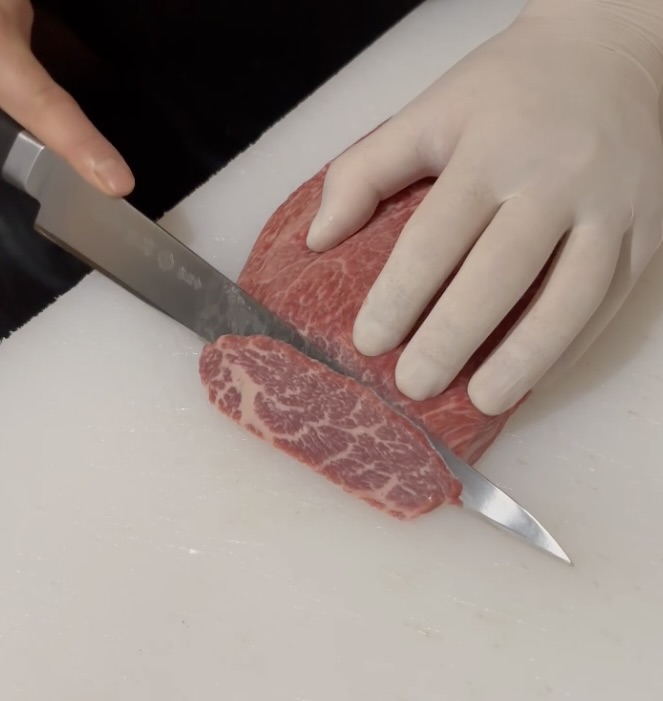
On the other hand, some may have the image that 牛里脊 is dry and tough.
It is true that standard 牛里脊 in the past had that aspect, but now it is different. Many discerning 烧肉 restaurants have started using rare cuts such as Shintama (Knuckle/Round) as 牛里脊 (Red Meat).
In particular, 和牛 red meat has fine marbling and is moist and tender. Far from being dry, the more you chew, the more the rich umami of the meat overflows. 牛里脊 = Tough is a story of the past.
Which one are you? Smart selection by situation
Neither 牛五花 nor 牛里脊 is superior. The important thing is to choose according to your current mood and “how you want to eat.”
When to be Team 牛五花
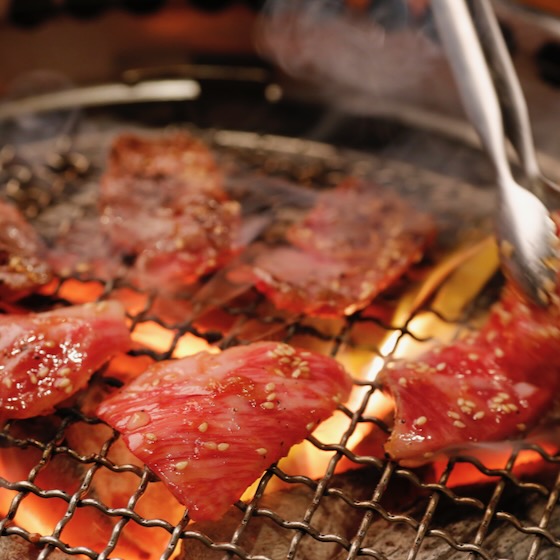
- For the first dish when you think I’m going to devour meat today!
The umami of fat that hits an empty stomach is the real thrill of 烧肉. - When you have white rice in hand
Bouncing 牛五花 dipped in plenty of sauce onto white rice. There is no greater happiness. - When you want to wash it down with beer or a highball
The exhilaration of washing away the sweetness of fat with carbonation is exceptional.
When to be Team 牛里脊
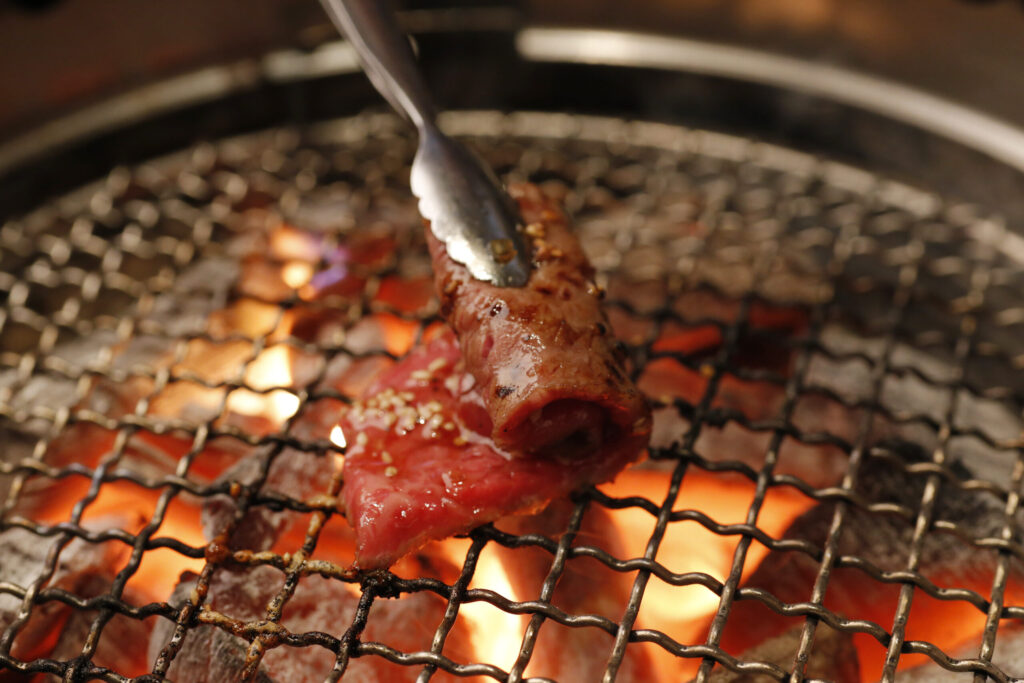
- When you want to enjoy the flavor of the meat carefully
The umami of red meat is delicate. Eating with salt or wasabi allows you to enjoy the natural aroma of the meat. - When pairing with wine or sake
Since the fat is modest, it does not interfere with the flavor of the alcohol. - For the second half of the course
Even if your stomach is getting full, high-quality red meat goes down surprisingly smoothly.
The Answer to 牛五花 and 牛里脊 given by 黑5
Now, let me talk a little about our commitment at 烧肉 黑5.
Actually, at 黑5, we dig deeper into the general definition of 牛五花 = Belly meat and 牛里脊 = Red meat to decide our menu.
黑5’s 牛五花 does not use Belly Meat
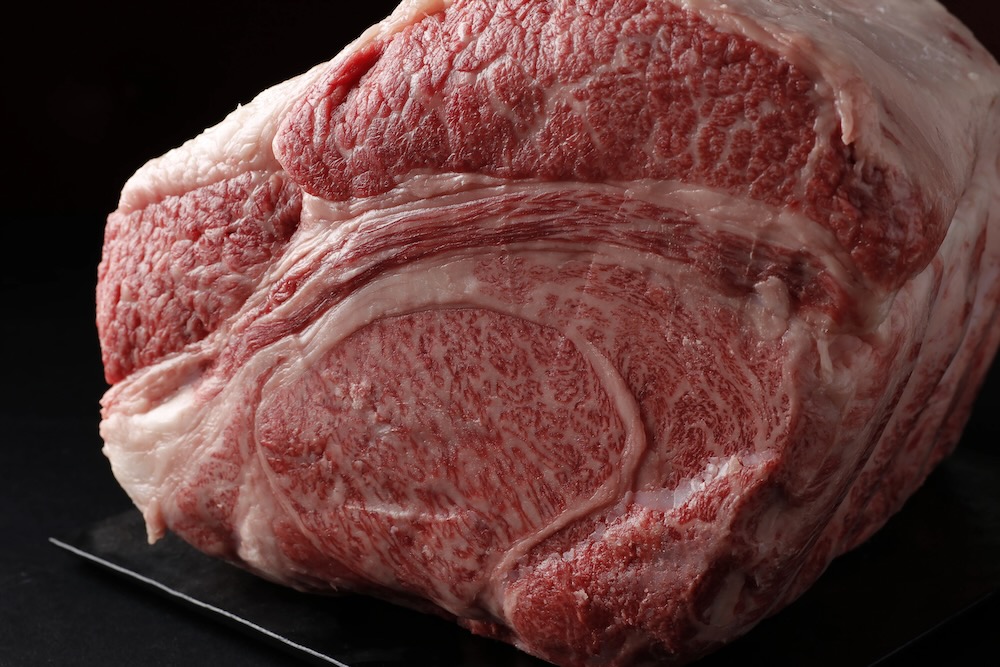
You might be surprised, but 黑5 does not use the general Belly meat for 牛五花.
What we serve as 牛五花 is surprisingly the high-grade part, 眼肉 (眼肉).
We dare to serve 眼肉, which is originally 牛里脊 (Back meat), as 牛五花. The reason is that we want you to avoid the heavy fat peculiar to belly meat and taste the refined, melting sweetness of 眼肉 fat.
It doesn’t weigh on the stomach even though it’s 牛五花. It’s so soft you can drink it. The reason we receive such comments is because of our commitment to selecting parts.
Adopting rare parts like Shin-shin for 牛里脊
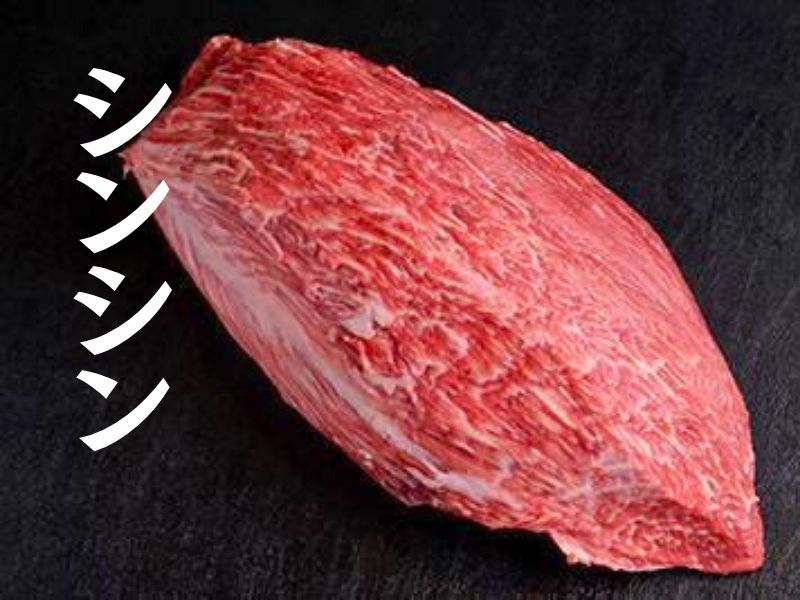
And for 黑5’s 牛里脊, we use Thigh meat (Momo), following the historical background mentioned earlier. However, it is not just any thigh meat.
We use Shintama (Knuckle), a rare part that is particularly soft and fine-textured among thigh meats. We differentiate between the Shin-shin (Center of the Knuckle), the beautifully marbled Tomo-sankaku (Tri-tip), and the rich-flavored 龟之子 (Turtle/Flank).
In particular, the popular Upper 牛里脊 (Shin-shin) is served as Rolling Yaki, where thinly sliced meat is rolled and grilled. By doing this, the meat juices are trapped inside, realizing a juicy texture that you wouldn’t expect from red meat.
Many customers say, I used to be Team 牛五花, but after coming to 黑5, I became Team 牛里脊. We believe this is because they experienced this Serious Red Meat.
Summary
“牛五花” is for enjoying the punch of fat, and 牛里脊 is for enjoying the umami and moistness of red meat.
These names in 烧肉 restaurants represent their respective delicious roles rather than the location of the parts.
Next time you go to 烧肉, instead of ordering for now, try consulting your 牛舌: I want to enjoy fat now, so 牛五花 or I want to feel the taste of meat carefully, so 牛里脊.
And if you get lost, please come to 黑5. We are waiting for you with a new 烧肉 experience that slightly overturns conventional wisdom, with 牛五花 using 眼肉 and 牛里脊 using the finest Thigh meat.


和牛 烧肉 黑5
IKEBUKURO Main Restrant
1F Shima 100 building ,2-46-3, 池袋, Toshima-ku , Tokyo 171-0014
https://ch.kuro5.net/restaurant/honten
和牛 烧肉 黑5
IKEBUKURO East Exit Restrant
2F Need Building, 1-42-16 Higashi-池袋, Toshima-ku, Tokyo 170-0013
https://ch.kuro5.net/restaurant/higashiguchi
和牛 烧肉 黑5
歌舞伎町店
1F Sankei Building, 2-21-4 歌舞伎町店, Shinjuku-ku, Tokyo
https://ch.kuro5.net/restaurant/kabukicho
Official Instagram: @黑5烧肉

