


Introduction: One 牛舌, Many Personalities
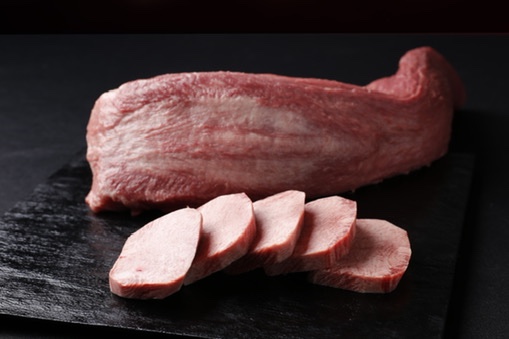
Among all 烧肉 cuts, beef 牛舌 is one of the most fascinating. Although it is a single organ, each section has a completely different texture and flavor. The tip is firm and chewy, while the root becomes softer and richer. The muscle fibers, fat content, and bite change dramatically depending on the location-sondosune@gmail.com much so that you might wonder, “Is this really all the same 牛舌?”
A whole beef 牛舌 weighs over 1 kg, yet most people only see thinly sliced packs at supermarkets. That’s why the true depth of this cut often goes unnoticed. Professional chefs say, “The quality of beef 牛舌 depends entirely on how the whole piece is handled,” because slicing direction and location drastically affect taste.
Beef 牛舌 is a cut packed with surprises-full of personality, complexity, and depth. Once you understand these differences, your enjoyment increases dramatically.
Chapter 1: Four Distinct Sections of Beef 牛舌
1. 牛舌 Tip – Firm, Wild, and Flavorful
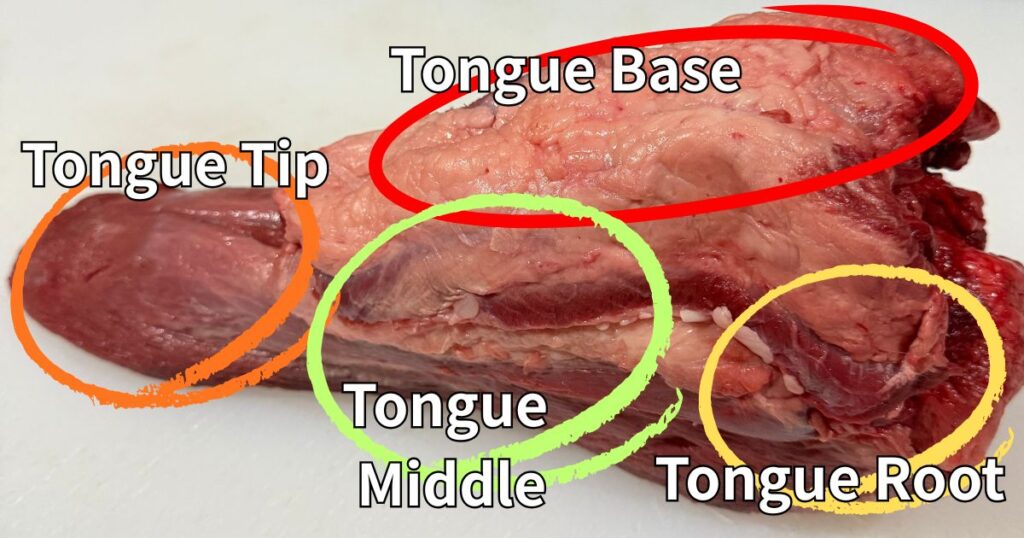
The tip of the 牛舌 is firm with thick muscle fibers. Many supermarket sliced 牛舌 packs use mainly this section, which is why some people think 牛舌 is “tough.” However, when sliced thin and grilled quickly, the tip delivers a sharp, savory flavor and an enjoyable chew.
2. 牛舌 Middle – Balanced, Tender, and Aromatic
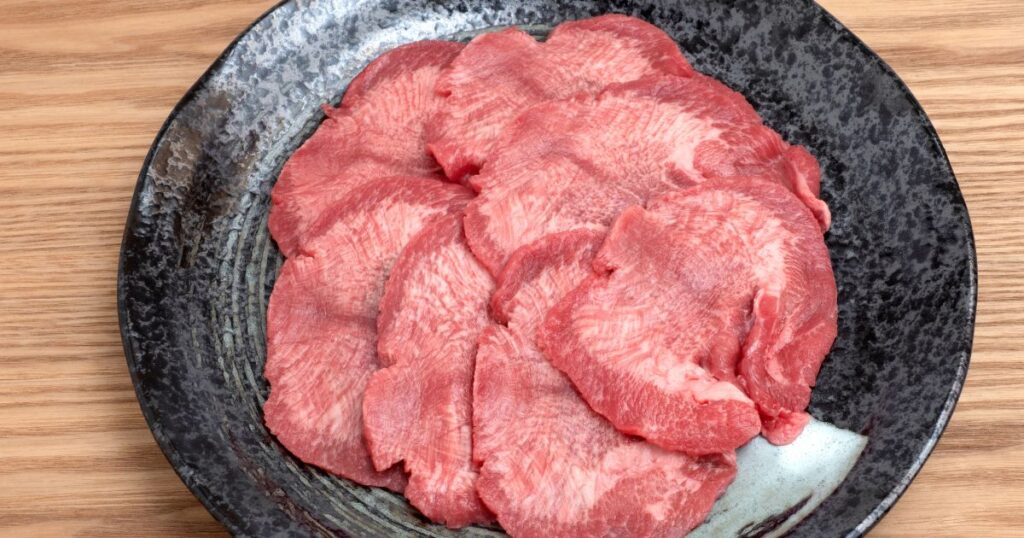
The center of the 牛舌 is the most balanced section-softness, aroma, and fat content are all moderate. Most restaurant-style “tan-shio” (salted 牛舌) is cut from this area. It is the most universally loved and an ideal introduction to beef 牛舌.
3. 牛舌 Root – Rich, Tender, and the True Star
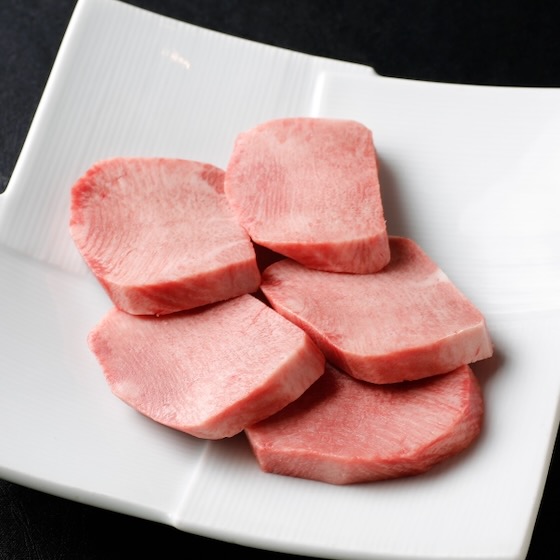
The root is the softest and most flavorful part. In 和牛 cattle, the fat in this area becomes extremely fine and aromatic, making thick-cut slices especially enjoyable. This section shows the full potential of beef 牛舌.
4. 牛舌 Base (Underside) – Unique Aroma with Deep Umami

On the underside of the 牛舌, near the jaw, two large blood vessels run through the meat. For imported beef, this area often carries a stronger drip smell-a slightly metallic, blood-like aroma caused by pooled juices.
However, the fat here is surprisingly light, and the texture is pleasantly springy. Many fans love this section for its bold character and deep, concentrated flavor.
1. Why Most 牛舌 You See Is Imported: The Reality of Supply
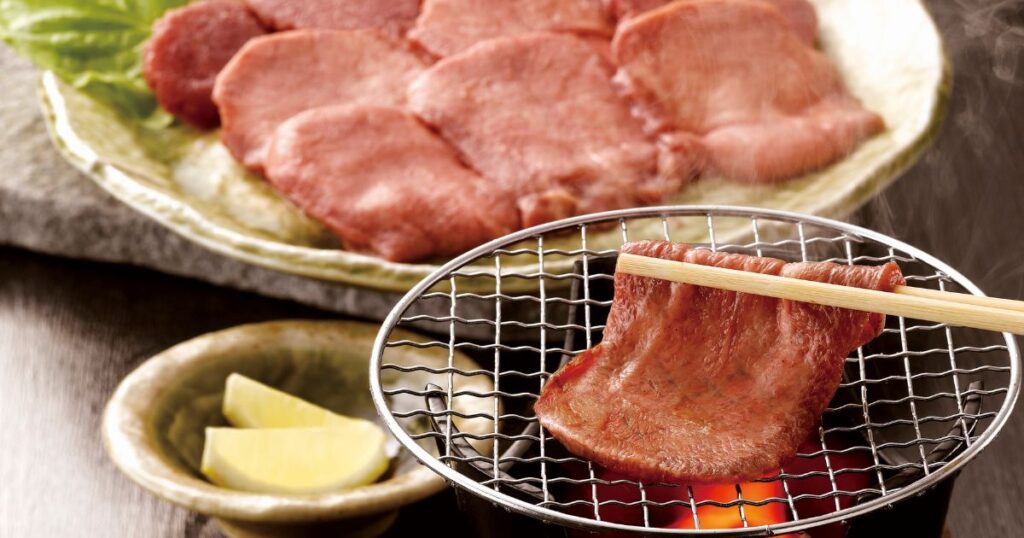
The beef 牛舌 you see at supermarkets and in many 烧肉 restaurants in Japan is, in most cases, imported. The reason is simple: there is an extremely limited supply of 和牛 牛舌.
From one cow, you only get one 牛舌. And within that single 牛舌, only a small portion is suitable for 烧肉-style grilling. Despite this, beef 牛舌 has always been a very popular cut in Japan, both at home and when eating out.
Because the amount of 和牛 牛舌 is so limited while demand remains consistently high, the supply simply cannot keep up. In other words, the basic structure of the market is that there is never enough 和牛 牛舌 to meet demand.
As a result, 和牛 牛舌 almost never appears in normal distribution channels. It is not something that just “shows up” in the general market. Instead, it is treated as a special product, handled only within a limited circle of trusted relationships.
2. Why Money Alone Cannot Buy 和牛 牛舌 – And the Same Is True for 和牛 横膈膜
Many people imagine that if you are willing to pay a high enough price, you can buy 和牛 牛舌. In reality, that is not how it works. Even if you offer a lot of money, you cannot simply secure a stable supply of it.
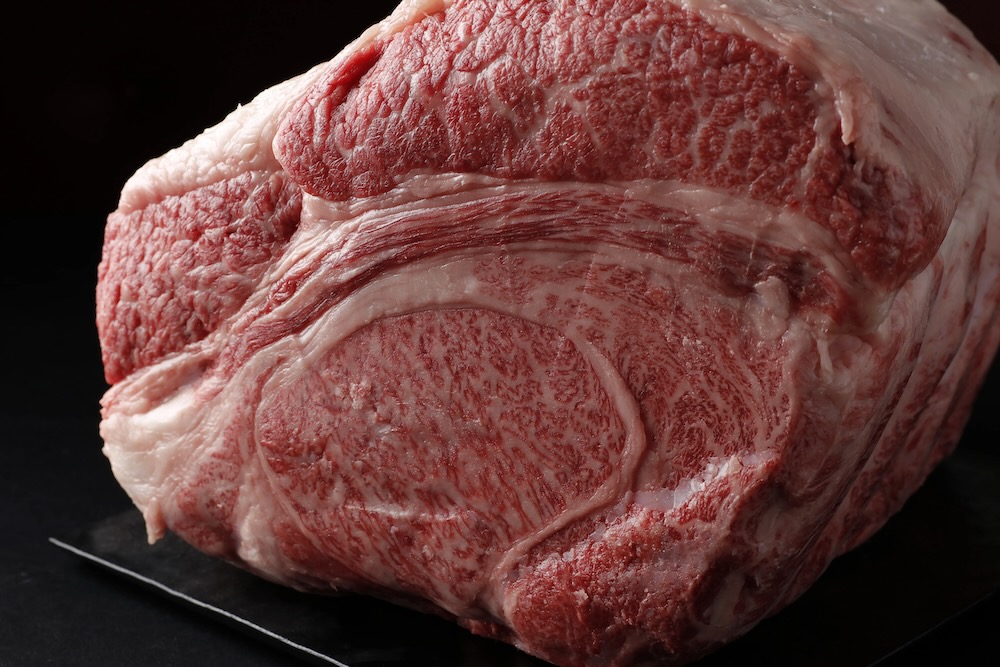
Of course, trust between butcher and restaurant is important. But there is an even more fundamental reason behind how 和牛 牛舌 is distributed: for the butcher, beef 牛舌 itself does not generate much profit.
A 牛舌 is quite light in weight, so even if it is sold at a high price, the total profit is small. What really supports the butcher’s business is not the 牛舌, but the restaurants that buy a lot of whole carcasses from them.
Because of this, butchers treat 和牛 牛舌 as a kind of “privilege” for the restaurants that regularly purchase large amounts of carcass meat and support their business. In other words, 和牛 牛舌 is not sold to just anyone with money, but is given priority to 烧肉 restaurants that are serious about buying whole animals, not just popular parts.
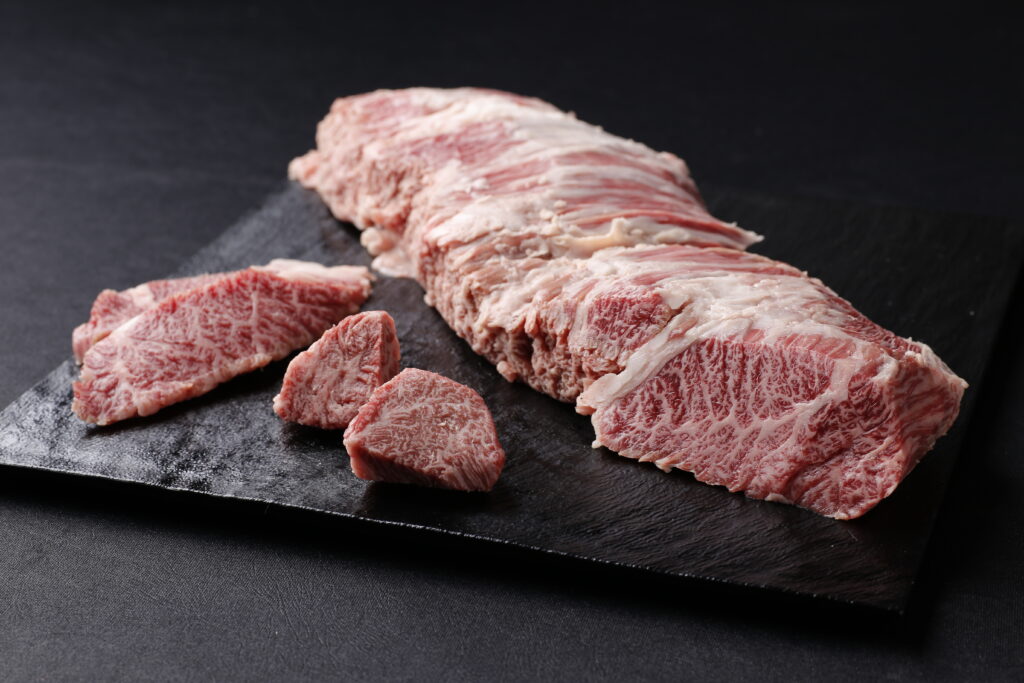
Exactly the same structure applies to 和牛 横膈膜 (outside skirt). 横膈膜 is also an extremely small, rare part from each animal. Since there is so little of it, butchers again choose to allocate it first to restaurants that buy a lot of carcasses and have a long, stable relationship with them.
This is why, within the 烧肉 world, people say that “a restaurant that serves top-quality 牛舌 and 横膈膜 is a true, serious 烧肉 restaurant.” It is not only about taste. Being able to serve these cuts at all is proof that the restaurant has earned the trust of its suppliers and has the track record and commitment to buy whole carcasses, not just the easy-to-sell parts.
3. 和牛 牛舌 vs. Imported 牛舌 – Completely Different Ingredients
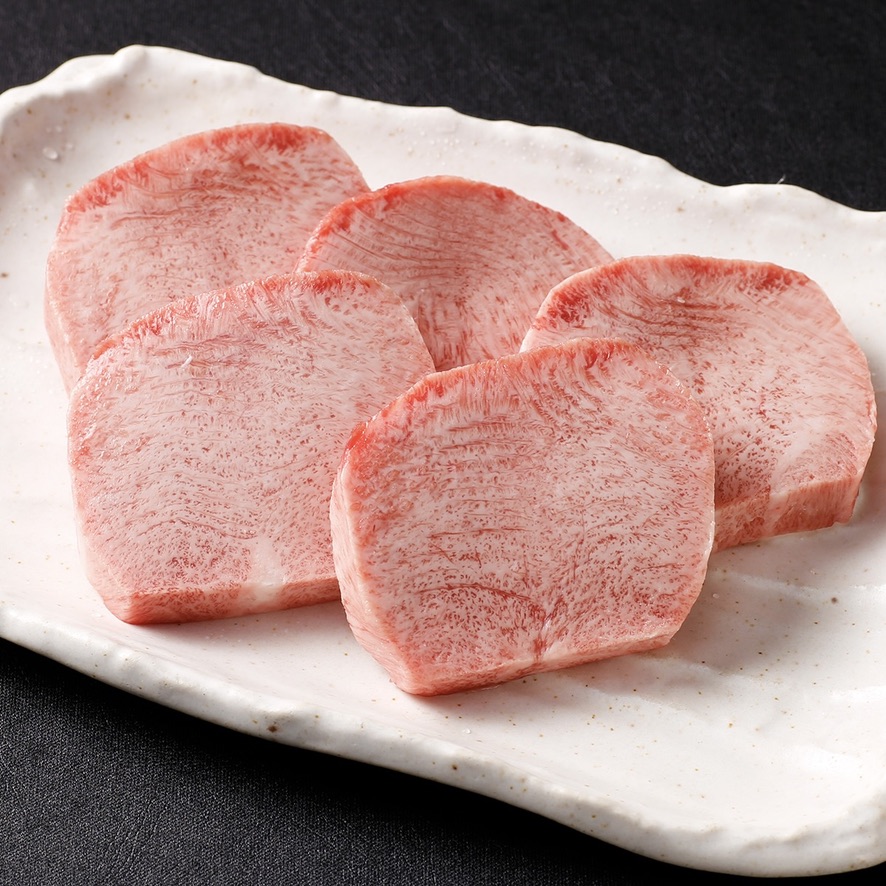
和牛 牛舌 and imported 牛舌 may come from the same part of the cow, but their taste, aroma, texture, and even how they should be cooked are completely different. The biggest differences come from the quality of fat and how the aroma rises when grilled.
和牛 牛舌 has fine, sweet fat and a rich aroma that spreads gently. Imported 牛舌, on the other hand, is leaner, sharper in flavor, and offers a more wild, meaty character. From the moment they hit the grill to the final aftertaste, they behave like entirely different ingredients.
和牛 牛舌 – Softness, Aroma, and Sweet Fat
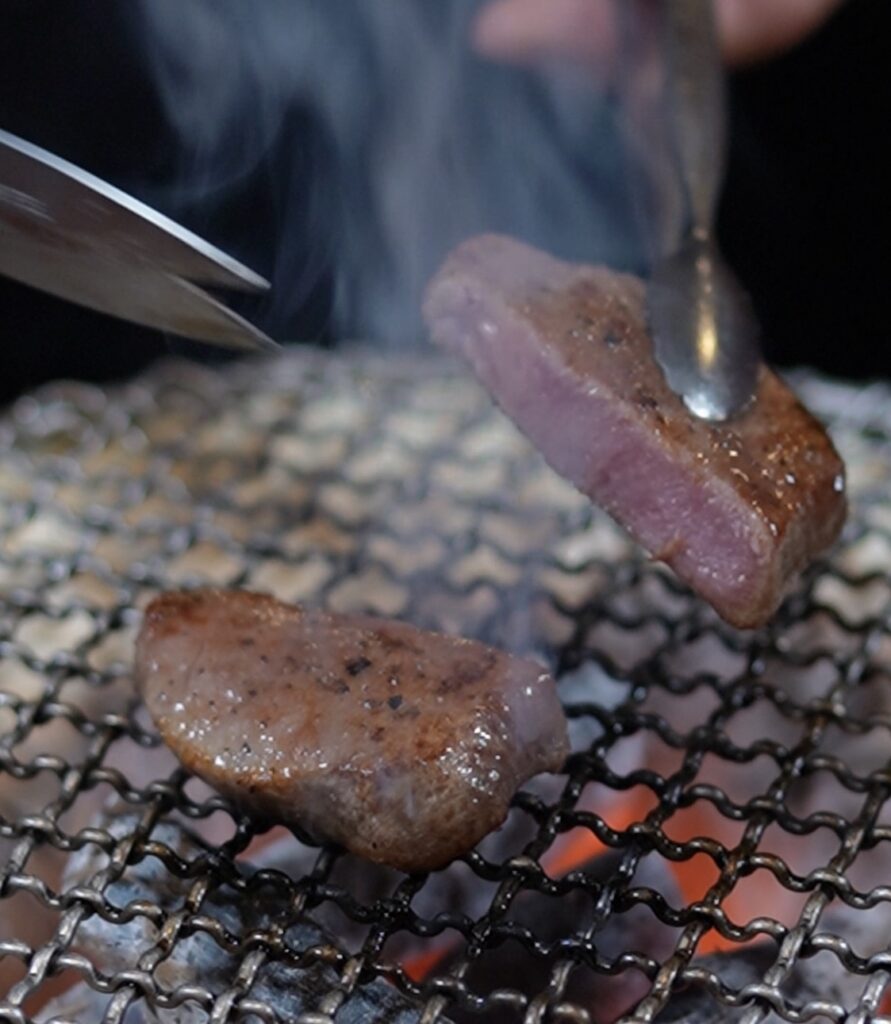
和牛 牛舌 has fine muscle fibers, making it incredibly tender even when cut thick. The “牛舌 root” (the fattest part) is the highlight of 和牛 牛舌-rich aroma, sweet fat, and exceptional tenderness. Simply grilling it brings out remarkable depth of flavor.
Imported 牛舌 – Lean Flavor and a Satisfying Chew
Imported 牛舌 is leaner, offering bold flavor and a firm bite that grows more delicious as you chew. It pairs exceptionally well with thin-sliced salt grilled 牛舌 and clearly expresses the differences between the front, middle, and root sections of the 牛舌.
Different Sections, Different Personalities
A whole 牛舌 is like four completely different meats connected together. Each section has its own taste, texture, and aroma.
● 牛舌 Tip
Chewy, wild, and full of lean flavor. This part brings out the strengths of imported 牛舌.
● Middle 牛舌
Balanced in fat, aroma, and tenderness. The classic “standard” 烧肉 牛舌.
● 牛舌 Root
The star of 和牛 牛舌. Extremely fine fat, rich aroma, and deep sweetness. The only part that truly supports thick cuts.
● 牛舌 Underside
和牛 牛舌 underside is surprisingly delicious, with deep umami. Imported 牛舌 underside, however, contains more blood vessels and develops a much stronger smell.
The Quality Gap in Imported 牛舌 and the Source of Smell
Imported 牛舌 varies greatly in quality. Low-priced imported 牛舌 shows clear differences depending on the section.
● Parts with Minimal Smell (Root → Front Middle)
These areas have less odor and deliver a straightforward lean taste.
● Parts with Stronger Smell (Middle Front → Tip)
As the muscle becomes leaner and more fibrous, a noticeable “drip smell”-the metallic smell from pooled blood-appears.
● 牛舌 Underside
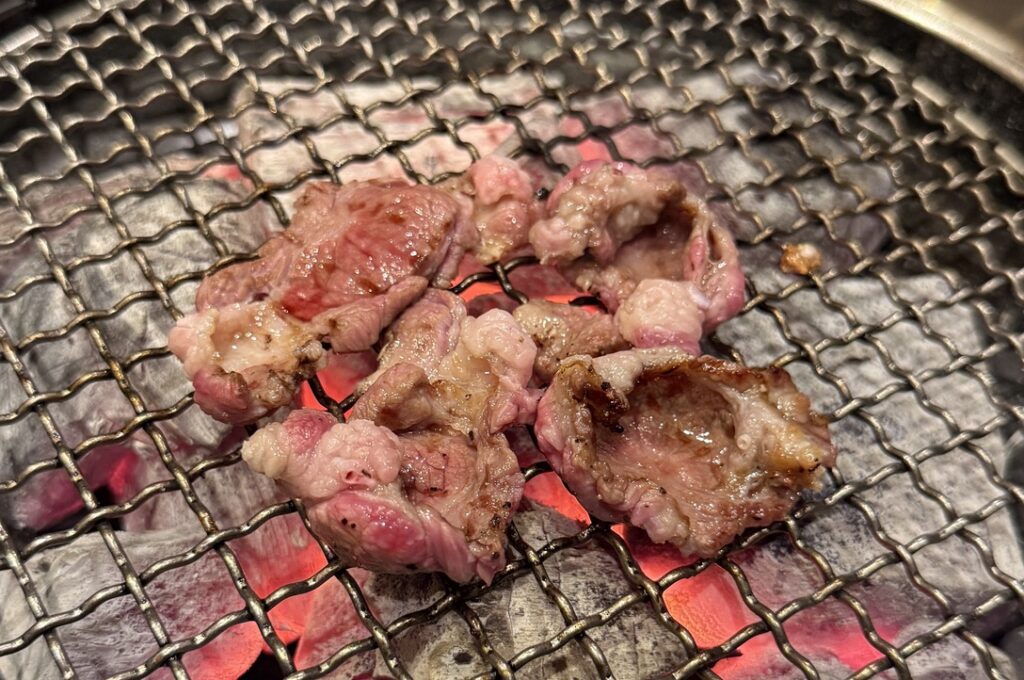
This is where the biggest difference between 和牛 and imported 牛舌 appears. 和牛 is rich and tasty, while imported 牛舌 has a strong, often metallic odor due to the blood vessels.
Even high-quality imported 牛舌 cannot eliminate this unique aroma completely-it’s part of the nature of imported 牛舌.
Thick-Cut 和牛 牛舌 Root – Delicious but Difficult
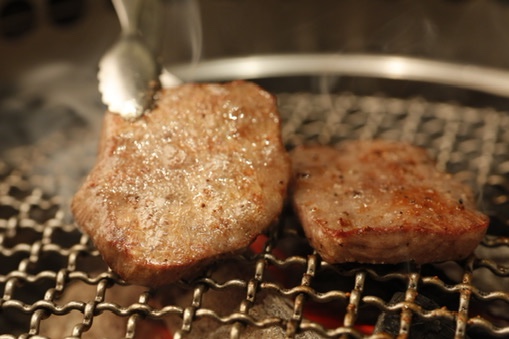
和牛 牛舌 root is outstanding both thick and thin. However, thick slices are surprisingly difficult to grill correctly. Because 和牛 fat melts easily, the outside can crisp while the inside remains unpleasantly rare and “gummy” if the grilling technique is not precise.
To grill it perfectly, the cook must balance surface browning, internal temperature, and fat rendering. A person who can grill thick-cut 牛舌 root correctly is essentially at professional skill level.
Thin-Sliced 牛舌 Root – For Advanced 烧肉 Lovers
Thin-sliced 和牛 牛舌 root is a playground for 烧肉 experts. It can be grilled one-sided for a crispy finish, lightly on both sides for aroma, or left rare to enjoy the sweet, delicate fat. Being able to control the grilling of thin-sliced 牛舌 root marks someone as a true 烧肉 master.
Even Imported 牛舌 Can Be Thick-Cut at the Root

Surprisingly, the root section of imported 牛舌 can also be enjoyed as a thick cut-only the fatty core, after trimming the lean outer layer. But just like 和牛, it must not be left raw in the center.
With careful trimming and proper heat control, imported 牛舌 root offers a delicious thick-cut experience despite being leaner overall.
4. Imported Beef 牛舌: A Delicious Cut with One Big Challenge – Drip Odor
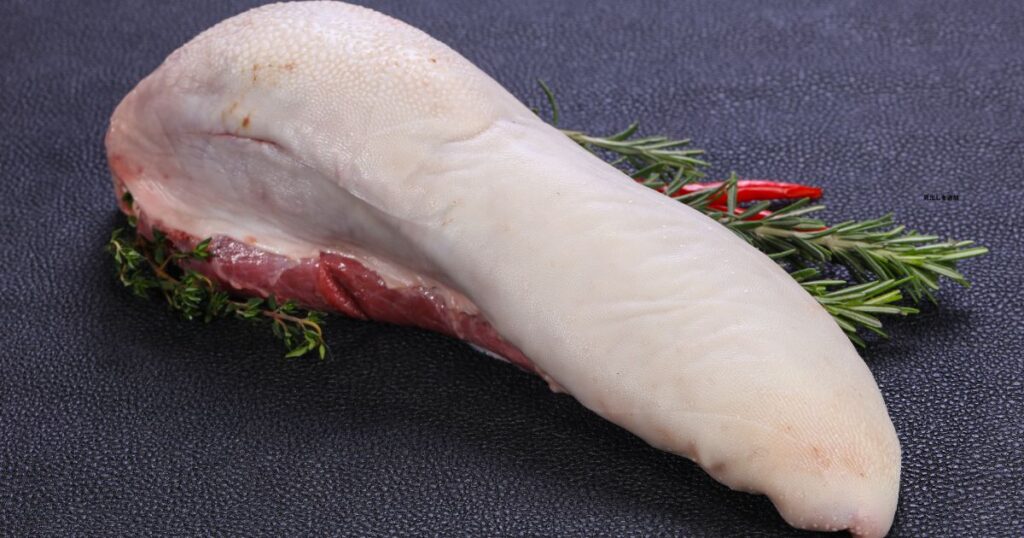
Imported beef 牛舌 is a flavorful cut, but it comes with a major challenge: it releases a large amount of blood “drip,” which quickly develops a distinct odor. This drip odor is the main reason imported 牛舌 is often considered difficult to handle.
What makes it even more troublesome is that the odor begins to appear even on the day it is delivered. As time passes, the drip increases, and the smell becomes stronger. This is not simply a matter of freshness – it is a structural characteristic of imported beef 牛舌.
Different Parts of the 牛舌 Produce Different Levels of Odor
While imported 牛舌 in general produces more drip, certain sections are especially prone to strong smells:
● 牛舌 Tip
The muscle fibers are thick and lean, making the blood odor more noticeable.
● Front Side of the Middle 牛舌
As the lean content increases, drip odor becomes stronger over time.
● Underside of the 牛舌
The underside contains many blood vessels, making it the part where drip odor becomes the strongest.
Meanwhile, the 牛舌 root and the rear-middle section tend to have milder odor and are easier to work with, even in imported products.
The Skill of a 烧肉 Restaurant Shows in How They Manage Drip Odor

Even if imported 牛舌 has little odor right after being cut, leaving it for several hours allows blood to accumulate and the drip odor to intensify. For this reason, good 烧肉 restaurants carefully control:
– When the 牛舌 is cut
– How long it is exposed to air
– How precisely it is trimmed (the “saku-dori” process)
– Which parts are selected for serving
Restaurants that can consistently serve imported beef 牛舌 without unpleasant odor demonstrate a high level of knowledge and technical skill in handling this tricky ingredient.
Why Supermarket 牛舌 Is Difficult to Enjoy at Home
Most beef 牛舌 sold in supermarkets is imported and already sliced. While it sits on display, drip accumulates inside the package, coming into constant contact with air. By the time you buy it, the drip odor may have already begun to develop.
In restaurants, 牛舌 is cut fresh and immediately served. In supermarkets, you are essentially purchasing 牛舌 that has been sitting after being cut – which makes odor nearly unavoidable.
This is why many people feel that “supermarket 牛舌 smells” when cooking it at home. It is not the home cook’s fault – it is a natural consequence of how imported 牛舌 behaves once sliced.
5. How to Make Supermarket Beef 牛舌 Taste Great at Home
Most beef 牛舌 sold in supermarkets is imported, which means it tends to release blood “drip” that creates a noticeable odor. However, with the right preparation and cooking method, you can drastically improve its flavor and enjoy beef 牛舌 at home much more deliciously. Here are simple and effective techniques anyone can do.
Lightly Rinsing the Surface Removes Much of the Odor
Whole beef 牛舌 is often washed in professional kitchens, but even pre-sliced supermarket 牛舌 benefits greatly from a quick surface rinse. Simply rinse the surface gently and pat it dry immediately. There’s no need to soak or rub5. How to Make Supermarket Beef 牛舌 Taste Great at Home
Most beef 牛舌 sold in supermarkets is imported, which means it tends to release blood “drip” that creates a noticeable odor. However, with the right preparation and cooking method, you can drastically improve its flavor and enjoy beef 牛舌 at home much more deliciously. Here are simple and effective techniques anyone can do.
Lightly Rinsing the Surface Removes Much of the Odor
Whole beef 牛舌 is often washed in professional kitchens, but even pre-sliced supermarket 牛舌 benefits greatly from a quick surface rinse. Simply rinse the surface gently and pat it dry immediately. There’s no need to soak or rub-removing the drip alone reduces the unpleasant smell significantly.
For Pre-Sliced 牛舌, Japanese Sake Works as a Powerful Deodorizer
When the 牛舌 is already sliced, rinsing is harder. In this case, Japanese sake is the most effective method for eliminating odor. Moisten a paper towel with sake and dab the surface, or spray a light mist over the slices. This instantly reduces drip odor and enhances aroma when grilling.
Simple Seasoning: Garlic Paste and Salt & Pepper
Once the odor is reduced, keep the seasoning simple. A thin layer of grated garlic and a sprinkle of salt and pepper are enough to bring out the best in beef 牛舌. If you don’t mind it, adding just a pinch of MSG can tighten the flavor and boost umami without overpowering the meat.
How to Choose Good Beef 牛舌 at the Supermarket
Selecting the right pack makes a huge difference. Look for slices that are pale pink or slightly white-these come from the root or rear-middle sections, which are softer and less smelly. Avoid deep red slices or packs with very thick red meat, as these parts tend to be tougher and carry stronger odor.
Cook on Medium Heat and Flip Several Times
Imported beef 牛舌 from the supermarket should not be cooked quickly over high heat. High heat can toughen the meat and intensify any remaining smell. Instead, cook on medium heat while flipping the slices several times to evenly remove moisture and fully cook the inside. Undercooked 牛舌 releases the strongest odor, so proper doneness is key for good flavor.
Finish with Flavorful Condiments
Once cooked, finishing touches make a huge difference. Sesame oil with grated garlic is a classic combination. Lemon juice brightens the flavor, and wasabi pairs surprisingly well with the leaner profile of imported 牛舌, adding a refreshing kick.
One highly recommended option is sansho pepper. Whether powdered or whole-grain, sansho adds a fragrant, tingling freshness that pairs exceptionally well with beef 牛舌, taking the flavor to a refined, restaurant-quality level.
By using aroma-focused condiments, you can elevate supermarket beef 牛舌 to a delicious and satisfying dish at home.removing the drip alone reduces the unpleasant smell significantly.
For Pre-Sliced 牛舌, Japanese Sake Works as a Powerful Deodorizer
When the 牛舌 is already sliced, rinsing is harder. In this case, Japanese sake is the most effective method for eliminating odor. Moisten a paper towel with sake and dab the surface, or spray a light mist over the slices. This instantly reduces drip odor and enhances aroma when grilling.
Simple Seasoning: Garlic Paste and Salt & Pepper
Once the odor is reduced, keep the seasoning simple. A thin layer of grated garlic and a sprinkle of salt and pepper are enough to bring out the best in beef 牛舌. If you don’t mind it, adding just a pinch of MSG can tighten the flavor and boost umami without overpowering the meat.
How to Choose Good Beef 牛舌 at the Supermarket
Selecting the right pack makes a huge difference. Look for slices that are pale pink or slightly white-these come from the root or rear-middle sections, which are softer and less smelly. Avoid deep red slices or packs with very thick red meat, as these parts tend to be tougher and carry stronger odor.
Cook on Medium Heat and Flip Several Times
Imported beef 牛舌 from the supermarket should not be cooked quickly over high heat. High heat can toughen the meat and intensify any remaining smell. Instead, cook on medium heat while flipping the slices several times to evenly remove moisture and fully cook the inside. Undercooked 牛舌 releases the strongest odor, so proper doneness is key for good flavor.
Finish with Flavorful Condiments

Once cooked, finishing touches make a huge difference. Sesame oil with grated garlic is a classic combination. Lemon juice brightens the flavor, and wasabi pairs surprisingly well with the leaner profile of imported 牛舌, adding a refreshing kick.
One highly recommended option is sansho pepper. Whether powdered or whole-grain, sansho adds a fragrant, tingling freshness that pairs exceptionally well with beef 牛舌, taking the flavor to a refined, restaurant-quality level.
By using aroma-focused condiments, you can elevate supermarket beef 牛舌 to a delicious and satisfying dish at home.
6. The Correct Way to Grill Beef 牛舌 – The Ultimate Guide
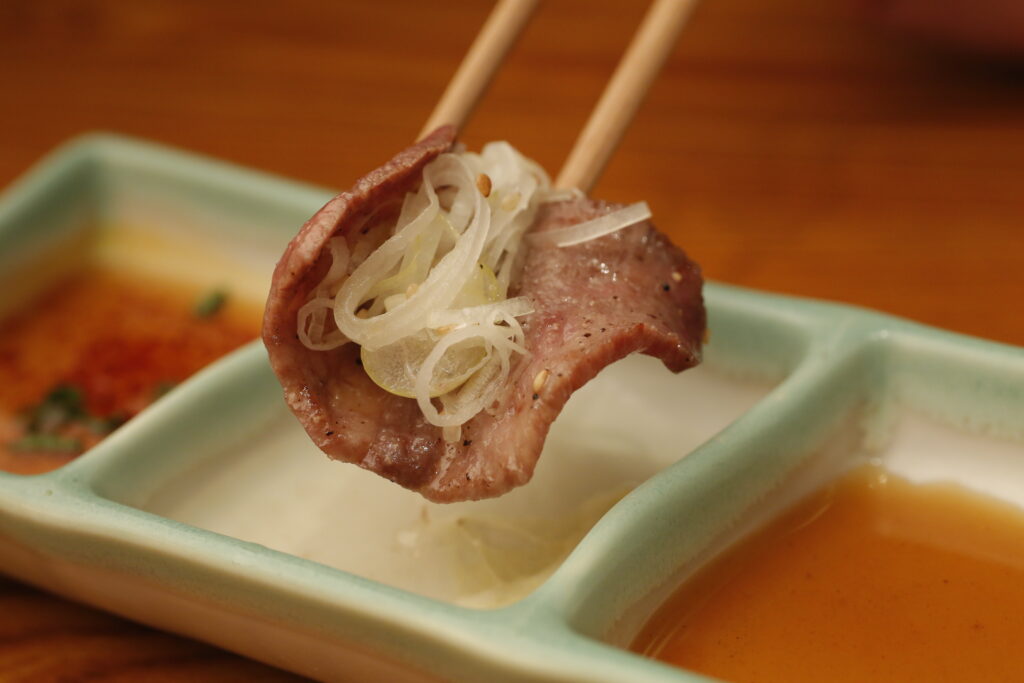
Beef 牛舌 is a cut where flavor depends more on how it is grilled than any other factor. Even the best-quality 牛舌 becomes tough, smelly, or chewy if grilled incorrectly. But when grilled properly, it delivers exceptional aroma, sweetness, and a satisfying bite. Below is the definitive guide to grilling beef 牛舌 the right way.
Undercooked 牛舌 Is Never Acceptable
Whether it is 和牛, imported, 牛舌 root or thin-sliced 牛舌, undercooked beef 牛舌 is always the worst outcome. The reason is simple: 牛舌 retains blood (drip) inside the muscle fibers, and if the center is left rare, the metallic smell and drip odor become very strong, creating an unpleasant flavor and gummy texture.
Thick-Cut 牛舌 Must Be Cooked Slowly and Evenly
Thick-cut 牛舌 looks luxurious, but it is very easy to ruin if cooked incorrectly. To avoid a crispy outside and raw center, follow this method:
– Start with medium to slightly high heat to create a sear.
– Reduce to medium heat.
– Flip the 牛舌 multiple times while slowly heating the center.
– Cook until the inside is fully done.
This technique preserves tenderness, eliminates odor, and brings out the full flavor of the fat.
和牛 牛舌 Root (Gyutan Moto) – Thin Cuts Can Be Enjoyed Rare
和牛 牛舌 root is exceptional. When sliced thin, it can be enjoyed rare or seared on one side only. The fine marbling melts quickly, and even lightly cooked 和牛 牛舌 remains sweet, tender, and aromatic.
However, this applies only to thin slices. Thick-cut 和牛 牛舌 must be cooked through the same way as imported 牛舌.
Imported 牛舌 Should Always Be Cooked Thoroughly
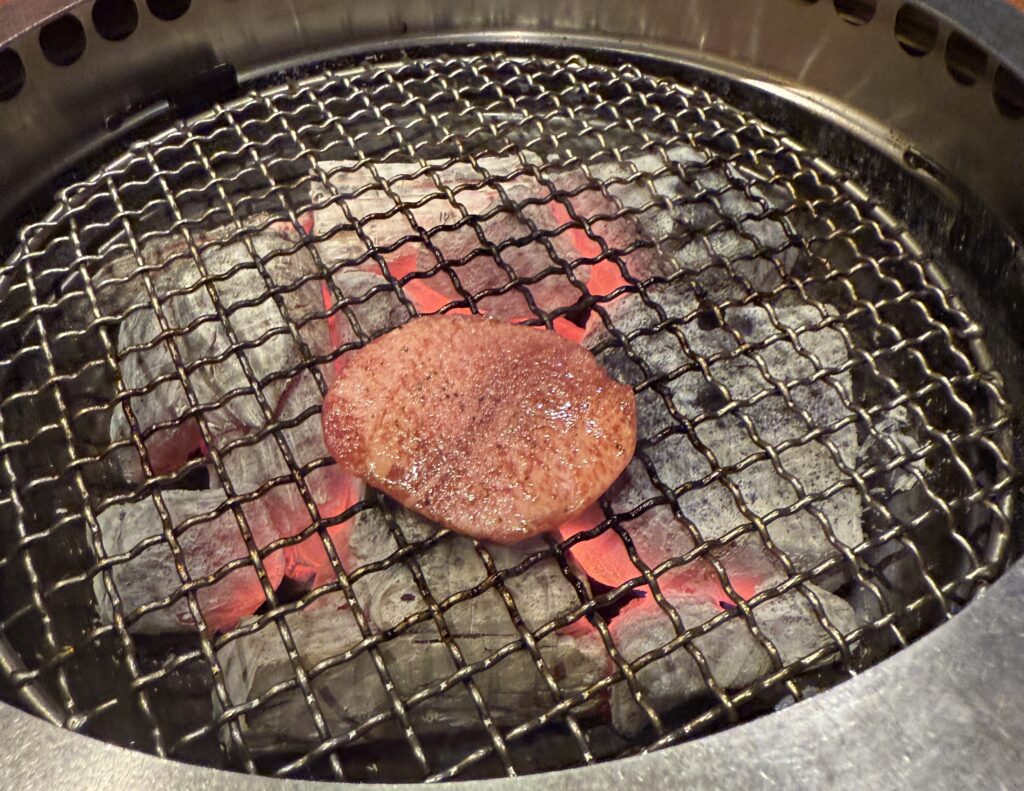
Imported 牛舌 has more lean meat and more drip, which means it produces odor easily when undercooked. For imported 牛舌, the correct method is:
– Medium heat
– Flip multiple times
– Cook thoroughly until no rare parts remain
Well-done imported 牛舌 has the best aroma, better texture, and zero unwanted smell.
牛舌 Root Doesn’t Become Tough Even When Fully Cooked
A common misconception is that 牛舌 root becomes tough when cooked too long. In reality, the root of the 牛舌 contains extremely fine fat that prevents toughness. Even when cooked well-done, it stays tender and flavorful. This is why you can grill 牛舌 root confidently without worrying about overcooking.
炭火 Is Ideal – But Gas Works If You Cook Slowly

炭火 grilling provides unbeatable aroma, searing, and radiant heat, making it the best method for beef 牛舌. However, 瓦斯烤炉ing can produce excellent results as long as the 牛舌 is cooked slowly over medium heat with multiple flips.
The Myth “牛舌 Doesn’t Dirty the Grill” Is Completely Wrong
Many people believe 牛舌 is clean and should be grilled first. In reality, 牛舌 root contains a large amount of fat. When grilled:
– Fat drips onto the grate
– The fat burns and turns into black soot
– The grate becomes heavily blackened
If you grill other meats right after 牛舌 root, the soot will stick to them and affect flavor. Always clean the grate or change it before grilling other cuts.
Understanding these rules will allow you to grill beef 牛舌 at home or in a restaurant like a true expert.
黑5: A Premium 烧肉 Brand with Three Locations in 池袋 and Shinjuku 歌舞伎町店
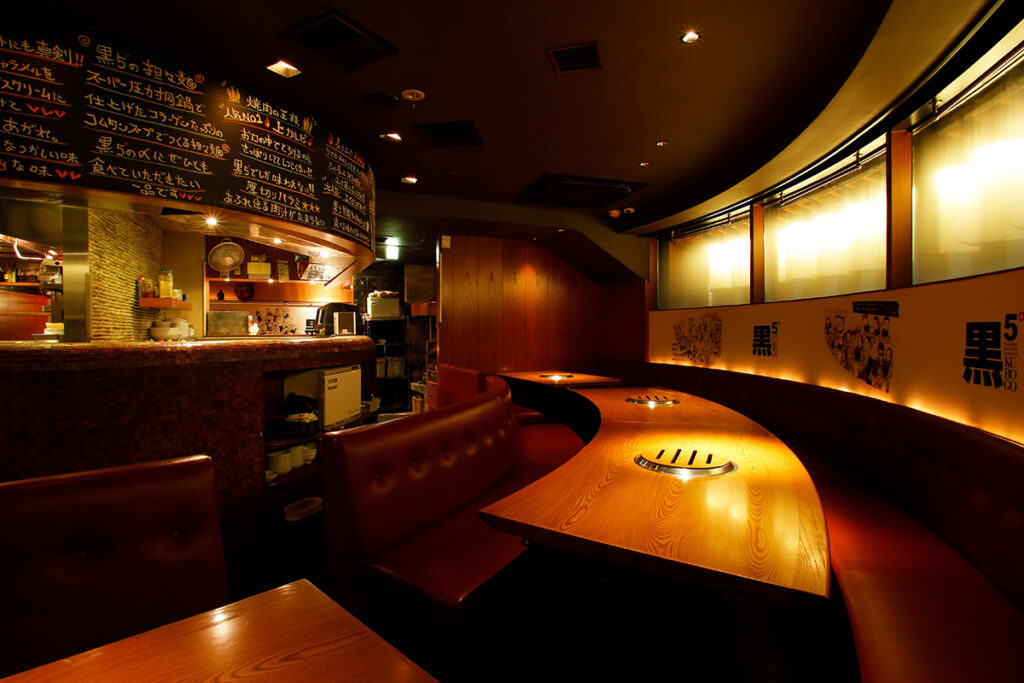
黑5 is a 烧肉 restaurant group operating three locations in Tokyo-two in 池袋 and one in Shinjuku 歌舞伎町店. Known for its uncompromising approach to quality, 黑5 prepares its beef fresh every day at each store and serves it in a full-attend 烧肉 style, where trained staff grill the meat at your table to perfection. This ensures every guest enjoys 烧肉 at the highest possible level.
黑5’s Beef 牛舌 Starts with an Exceptional “Gurumuki” Preparation
黑5 uses only the best portions of both Japanese 和牛 牛舌 and high-quality imported 牛舌. All outer red meat and odor-causing layers are carefully trimmed away, leaving only the sweetest, cleanest core. This professional preparation, known in the industry as “gurumuki”, is one of the key reasons 黑5’s beef 牛舌 is exceptionally tender, clean-tasting, and free from unpleasant smells.
Few Restaurants Purchase “Two Whole 和牛 牛舌s” Daily per Store
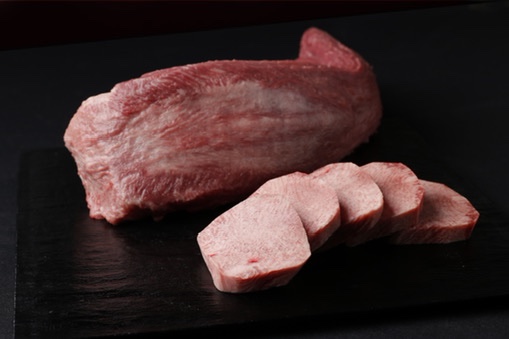
Each 黑5 store purchases two whole 和牛 牛舌s every single day-an extremely rare practice even within the Japanese 烧肉 industry. This is only possible due to long-standing trust and strong relationships with suppliers. The 牛舌s are then broken down by skilled staff and used according to their best characteristics.
・The 牛舌 root (tan-moto) is served as 黑5’s signature thick-cut premium 牛舌.
・High-quality parts of the mid-牛舌 are blended into the regular salted 牛舌.
・This means guests may occasionally find 和牛 牛舌 mixed into the regular 牛舌-an exclusive “lucky moment” unique to 黑5.
The Hidden Masterpiece: 和牛 牛舌 Root (“Tan Shita”)
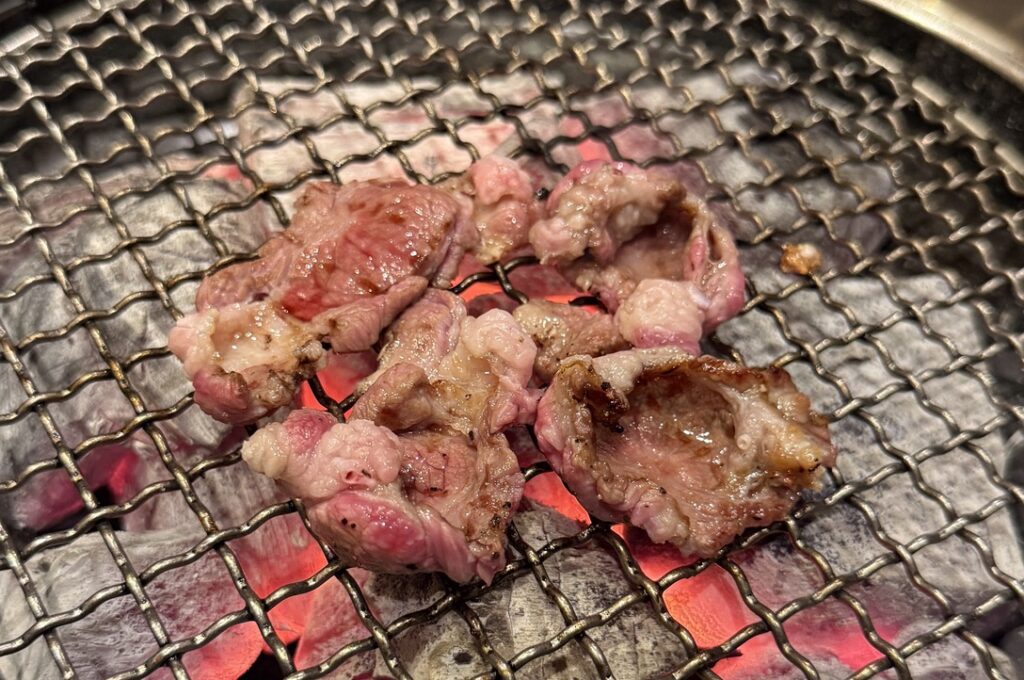
One of the must-try items at 黑5 is the 和牛 牛舌 root (tan shita). Comparable to the “engawa” of flounder, this part is incredibly flavorful-crispy, tender, juicy, yet surprisingly refreshing. 牛舌 experts often say, “The most delicious part of beef 牛舌 is the tan shita,” and 黑5’s preparation makes this especially true.
Premium Imported 牛舌-Upgraded to a Completely Different Level
黑5 selects only imported American beef 牛舌s with excellent marbling and superior fat quality. These 牛舌s also undergo the same gurumuki trimming as 和牛, eliminating the drip odor commonly found in imported beef 牛舌. The result is a remarkably clean, tender, and flavorful imported 牛舌 that surprises even experienced 烧肉 fans.
Imported 牛舌 Root Reinvented as a Signature Braised Dish
Imported 牛舌 root tends to hold stronger odors when grilled directly, but 黑5 transforms it through a unique preparation method into a rich, sweet-and-savory braised 牛舌 dish. It pairs wonderfully with both rice and alcoholic drinks, and has become one of the restaurant’s most beloved secret menu items.
Full-Attend 烧肉 Ensures Perfectly Grilled Thick-Cut 牛舌
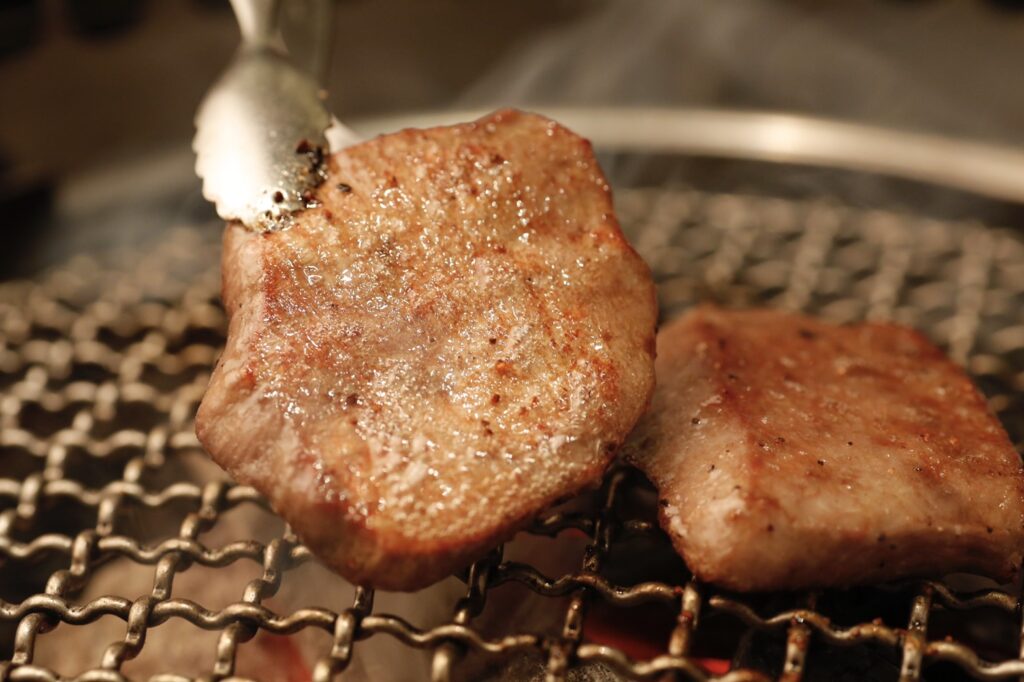
Because 黑5 grills the meat for you through its full-attend service, even the challenging thick-cut 牛舌 root is cooked perfectly every time. Beef 牛舌 varies dramatically depending on how it is grilled, but at 黑5, you can enjoy every cut-especially premium thick-cut 牛舌-in its ideal state without any risk of overcooking or undercooking.
7. Summary
Beef 牛舌 is a uniquely complex cut where flavor changes dramatically depending on the part, preparation, drip management, and grilling technique. Both 和牛 and imported 牛舌 have their own strengths, and with proper knowledge, each can be enjoyed at its best.

Ultimately, the true taste of beef 牛舌 is determined by how carefully it is prepared and how correctly it is handled. Skill and attention make all the difference.
The more you learn about beef 牛舌, the more you begin to see the craftsmanship and dedication behind it. We hope this article adds new insight and enjoyment the next time you experience beef 牛舌.


和牛 烧肉 黑5
IKEBUKURO Main Restrant
1F Shima 100 building ,2-46-3, 池袋, Toshima-ku , Tokyo 171-0014
https://ch.kuro5.net/restaurant/honten
和牛 烧肉 黑5
IKEBUKURO East Exit Restrant
2F Need Building, 1-42-16 Higashi-池袋, Toshima-ku, Tokyo 170-0013
https://ch.kuro5.net/restaurant/higashiguchi
和牛 烧肉 黑5
歌舞伎町店
1F Sankei Building, 2-21-4 歌舞伎町店, Shinjuku-ku, Tokyo
https://ch.kuro5.net/restaurant/kabukicho
Official Instagram: @黑5烧肉

